Building Climate Resilience & Restoring Nature
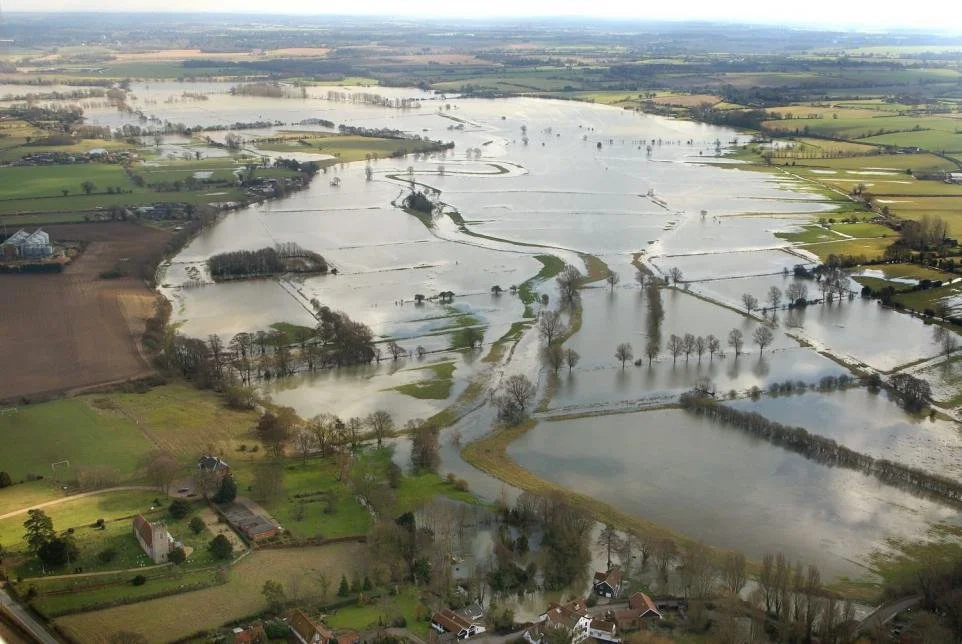
Climate breakdown and environmental decline are no longer distant challenges. Communities across our area already understand the impact that flooding, extreme weather, and environmental degradation can have on homes, businesses, farmland, and local infrastructure. The Government's own National Security Assessment warns that biodiversity loss and ecosystem collapse, and pose serious risks to the UK's national security, prosperity, and food supply. Yet despite these growing threats, the country remains insufficiently prepared.
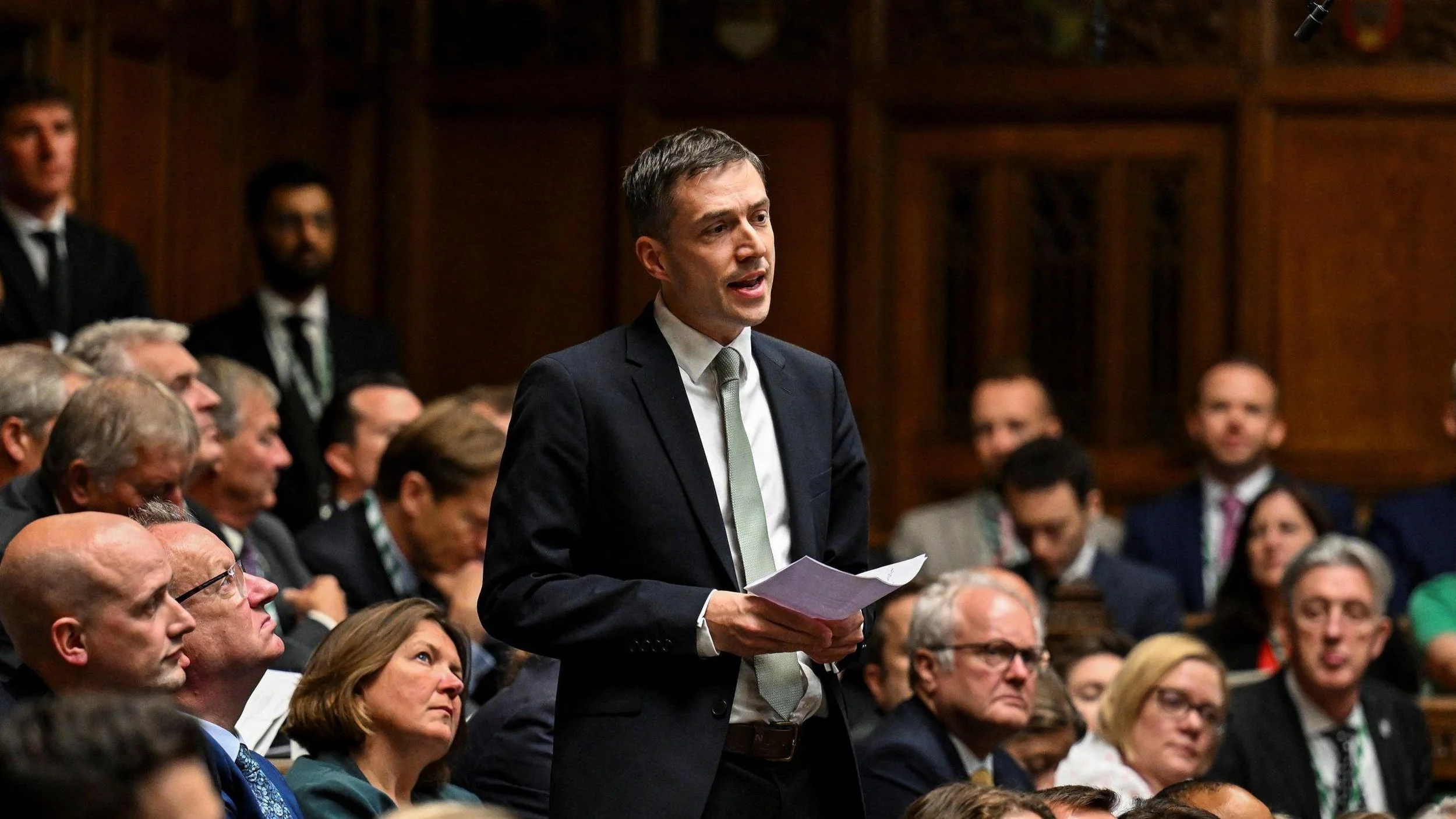
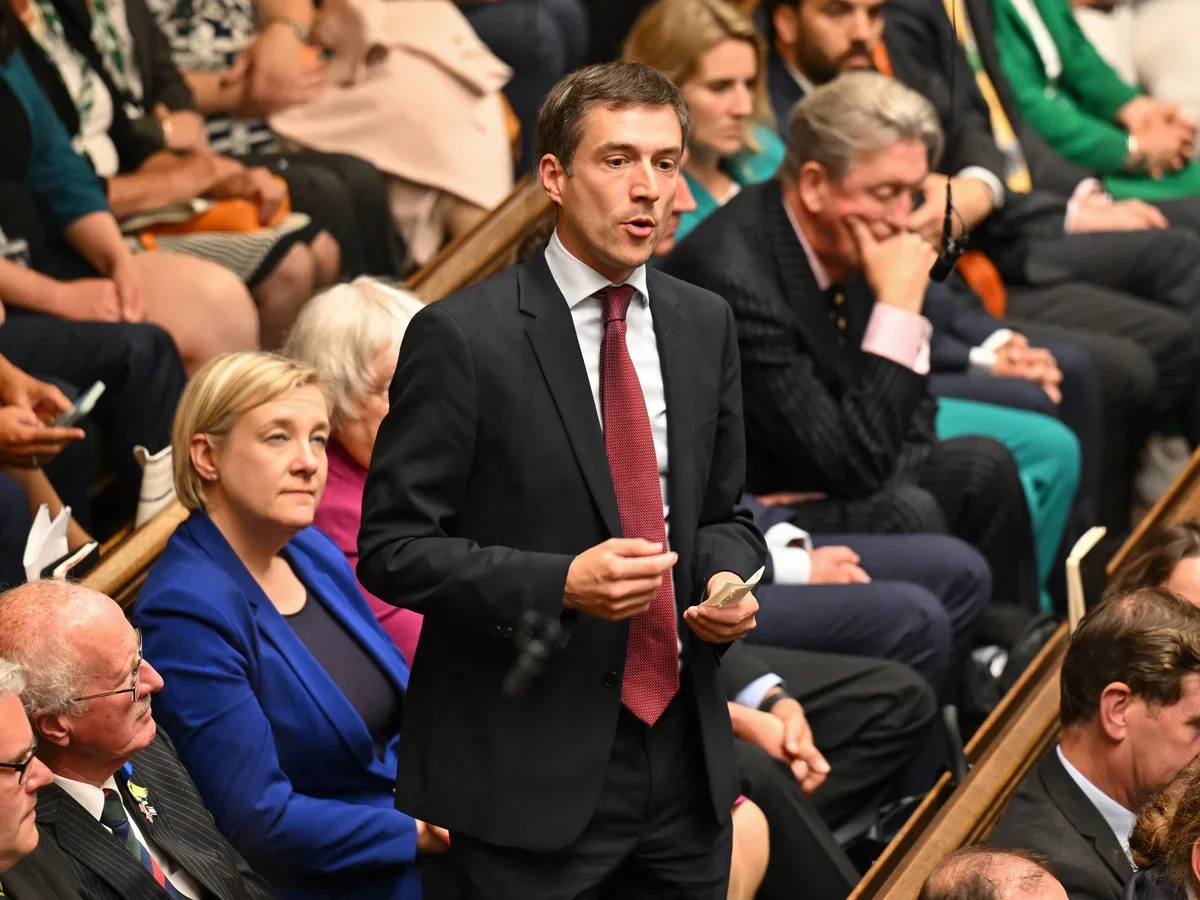
I have raised this repeatedly in Parliament, calling for climate and nature resilience to be treated as a national priority. We often hear talk of Number 10 for the North, but we need a Number 10 for the Future in the form of a Climate Protection Unit in the centre of government. This would ensure climate preparedness is fully integrated across all sectors of government. I led a debate in Parliament on the National Security Assessment, where I pressed the Government to release the full, unredacted report to Parliament, rather than the eight-page summary that is currently the only publicly available version. This report is from the Government's own Joint Intelligence Committee. It warns that biodiversity loss and ecosystem collapse directly threaten our food security, water security, and national security. We only know about it because Green Alliance had to fight the Government through a Freedom of Information request to secure that summary. Parliament cannot properly scrutinise a threat of that scale without seeing the evidence behind it.
Beyond the national security risks posed by ecosystem collapse, this summer made clear that we are not yet prepared for extreme heat. In Parliament, I have asked Health Ministers for a coordinated investment plan to help hospitals adapt. We saw at Norwich University Hospital what this means in practice: MRI scanners were forced offline due to overheating, cancelling appointments people had waited months for. Extreme heat also poses a particular risk to farmers, with dry conditions raising the risk of wildfires that can devastate communities and damage land for years, making it harder to grow food in the future. Alongside preparedness, I continue to advocate for practical, nature-based solutions that help protect communities while restoring the natural environment. From flood management to habitat restoration, these approaches can strengthen resilience and deliver long-term benefits for people and nature alike. Building resilience is not simply about responding to future crises. It is about protecting livelihoods, safeguarding communities, and ensuring future generations inherit a healthier and more secure environment.
I have tabled a Bill in Parliament calling for the water companies to be forced to invest in natural flood management solutions in the community, while I co-sponsored another Bill setting out how there need to be clear lines of responsibility for maintaining existing drainage systems.
I will continue working with local communities, environmental organisations, and government to ensure that climate resilience and nature recovery remain at the forefront of national decision-making.