
Call it a reset, call it a “plan for change”, the Prime Minister’s administration was in desperate need of a relaunch
6th of December 2025
Call it a reset, call it a “plan for change”, the Prime Minister’s administration was in desperate need of a relaunch. Labour have had a shaky first few months, peppered with mis-steps from the ending of the winter fuel allowance to a budget which penalises small businesses and employers and won’t deliver improved living standards for people.
So now we have the Government’s new priorities from housing to NHS waiting lists to early years education. The ambition for Britain to be a clean energy superpower squeezes on to the list but, disappointingly, the ambition has been weakened to 95% clean power by 2030 – the same target set by the previous Conservative government.
What’s more disappointing is the silence on how we should be adapting to the impacts of climate breakdown which are affecting our communities now.
Even if we manage to limit global heating to 1.5C, and that looks more and more unlikely as emissions continue to grow and global efforts to decarbonise falter, significant changes to the climate and our weather systems are baked in. That means the UK faces more frequent severe flooding and more summer heatwaves.
We were all shocked this autumn by the images from Spain as the Valencia region was hit by devastating floods which destroyed homes, bridges, roads and cost hundreds of lives. The cost to the Spanish economy is huge. The Valencia region has asked for over 30 billion Euros in relief and the insurance costs are expected to run to several billion more.
Are we so confident that similar catastrophic flooding couldn’t happen here in the UK? The storms which hit parts of England and Wales this autumn were nothing like as severe as those in Spain yet they still led to hundreds of homes in the Midlands and South being flooded, exposing the total inadequacy of our flood defences. More than half the population say they’re not equipped to deal with flooding and the damage it would cause to their home.
The need to adapt to a different, more unstable climate shouldn’t come as a surprise to Government. Its own advisers, the Climate Change Committee, issued a review of the National Adaptation Programme earlier this year and it was scathing.
The UK is falling far short of what’s needed. The adaptation plans lack the pace and ambition to address the climate risks which are happening now. Fewer than half of the short-term actions needed to address the most urgent risks are in progress. There is no vision and the current approach isn’t working.
So while I welcome the Government’s ambition to make the UK a clean energy super-power to reduce our carbon emissions, ministers aren’t addressing the need to adapt and build up resilience now. And in some respects, we’re moving backwards.
Take the ambition for more house building. We urgently need more homes, especially more affordable homes and homes built for social rent. But building on floodplains not only condemns future owners to the misery of likely flooding, it also stops the land absorbing and holding back floodwater as nature intended.
Allowing floodplains to do their job isn’t the only nature-based solution that is being overlooked. We need to un-do the damage of previous generations and re-plant hedgerows and trees, rewind rivers and create ponds to hold back floodwaters. Nature is our ally in adapting to a changed climate: we shouldn’t ignore it.
Flooding is not the only risk to people’s livelihoods and the economy. So is extreme heat. We have already seen temperatures of above 40C in the UK which scientists say have happened only because of climate change. Our infrastructure needs to be resilient to these extreme temperatures so railways don’t buckle and people don’t bake in their homes. Retrofitting homes isn’t only about insulation to keep people warm in winter. It’s also about methods to keep them cool in summer. Over half of homes are at risk of over-heating which gives a sense of the scale of the challenge. On this, the Government has nothing to say.
Nor should we ignore the impact extreme temperatures have on our food security. The Climate Change Committee warned five years ago that more frequent weather extremes would damage crops and livestock, making food prices more volatile. Biodiversity loss could have an even greater impact, leaving crops more vulnerable to pests and pathogens.
So yes, Prime Minister, your Government needed a reset. But you’ve missed a critical mission – a national adaptation plan to safeguard our food security, better prepare the country for a future of more extreme weather and put nature at the heart of our response to climate change.
The upcoming budget is a chance to delivering real, lasting improvements for people.
19th of November 2025
Across the country, families are struggling to get by, children are going to bed hungry, and millions cannot keep their homes warm, while the ultra-wealthy continue to get richer, and inequality grows. The Chancellor has a chance to change that in the upcoming budget, by taxing extreme wealth fairly, tackling the cost-of-living crisis, and delivering real, lasting improvements for people.
This cannot be viewed in isolation. By continuing real terms cuts to public services, Labour has pushed people who were already struggling even deeper into poverty while those who need support the most are often unable to access it. You only need to look at the scandal in our Special Educational Need (SEND) system to see one example of the consequences.
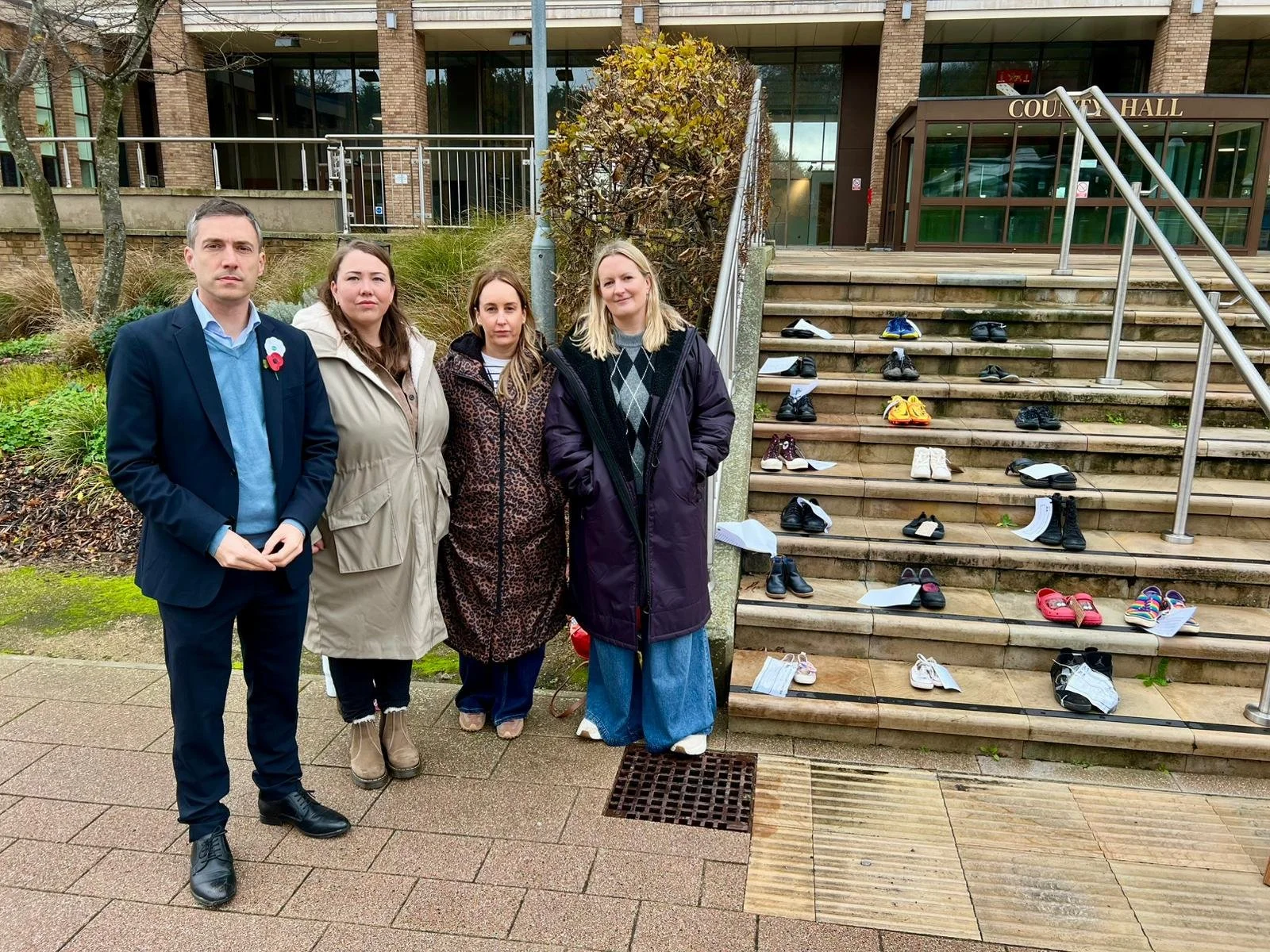
This is a system that successive governments have failed to get a grip of. Recently, I joined parents and campaigners outside Norfolk County Hall for Every Pair Tells a Story. The steps of County Hall were lined with rows of empty shoes, each pair representing a child who has been failed by the SEND system. It was moving and powerful to hear parents talk about the struggle to secure even the most basic support for their children. At the same time, the number of families in Waveney Valley who rely on foodbanks has grown by 50% since 2019. Meanwhile, the wealthiest in Britain continue to grow richer. Billionaire wealth rose by £35 million a day last year, and the fifty richest families now hold more wealth than half the population combined.
So, I find it hard to believe when Ministers keep insisting there is not enough money to lift children out of poverty, to properly fund our schools, or to provide vital support for people with disabilities. The Chancellor's self-imposed fiscal rules are not putting the markets at ease, nor are they delivering for people, nor helping the economy advance into the greener future we need. For politics to mean anything it must deliver for people. That is why this week I joined other Green Party MPs, our leadership and Council Leaders and Deputy Leaders from around the country in calling on the Chancellor to tax wealth fairly, end the cost-of-living crisis, and deliver real change now.
Our wealth tax measures alone would raise over £30 billion a year and form part of a broader package of reforms to tackle the growing inequality in the UK. This includes introducing a wealth tax of 1 per cent on assets over £10 million and 2 per cent on assets over £1 billion, which could raise at least £14.8 billion annually. It also means changing Capital Gains Tax, currently the lowest in the G7, so that income from work is not taxed more than income from wealth. This change could raise around £12 billion a year. We have also called on the Chancellor to introduce National Insurance on investment income, in line with employment income, which could raise at least £6.1 billion per year. It should not be radical to expect that those with the broadest shoulders pay their fair share.
In addition to reforming the tax system to make it fairer, those doing the most damage to our environment should not be subsidised to continue the destruction of our natural world. This is why we would end financial handouts to fossil fuel producers, saving an estimated £2.7 billion each year. We have also called on the Chancellor to tax windfall profits of UK retail banks. This could raise around £11.3 billion this year from Britain’s big four banks alone.
These tax measures will enable the government to take urgent action to tackle the cost-of-living crisis. We are calling on them to commit to both immediate and long-term measures that meaningfully address rising costs and lift children out of poverty.
Firstly, we would move policy costs off electricity bills. But instead of scrapping funding for home insulation to cover this, like the government is rumoured to be thinking about, we are calling on the Chancellor to pay for these policy costs through taxation, including wealth taxation. This move would cut a household’s electricity bill by around 17%. For a ‘typical’ household this could mean a £156 cut per year.
We would also go further, ending the link between gas and electricity prices which pushes electricity prices up, and means many ordinary people aren’t feeling the full benefits of the growth of cheaper renewables. According to Greenpeace, this could cut bills by £5.1 billion annually within two years. Or £65 per year for the average household.
We should invest in a mass retrofit revolution, led by local authorities, to insulate every home, street by street. This would not only save people money on their bills, but crucially, it would also support local economies by creating good, high-quality jobs across the country.
We would also scrap the cruel two-child benefit cap, lifting 330,000 children out of poverty, and introduce free school meals for all primary and secondary school children. Families from all backgrounds struggle with food insecurity, and this measure would not only save households £490 per child per year but also ensure that every child in the country receives at least one hot meal at school every day.
In politics, it all comes down to choice. We can choose to keep people in poverty while billionaire and multimillionaire wealth grows ever larger, or we can choose to lift people out of poverty and begin addressing the structural issues in our society. In next week’s budget, this Labour government has only one morally right option: tax wealth fairly, tackle the cost-of-living crisis head on, and rebuild our country for the better.
Every Pair Tells a Story
3rd of November 2025
I was pleased to stand with families at Every Pair Tells a Story outside Norfolk County Hall this morning. Seeing those empty shoes lined up was infuriating, because each one represents a child who has been failed by a system that should protect and support them. We cannot allow these stories to continue. Norfolk and Suffolk's children deserve better, and I will keep pressing both the government and our County Councils to deliver the changes needed to ensure every child gets the support and school place they need.
Why we urgently need more banking hubs in Suffolk
29th of October 2025
Recently spoke in a debate in Parliament about an issue affecting communities across Waveney Valley and beyond: the urgent need for more banking hubs in rural areas. Nationwide, an average of 53 bank branches have closed every month since 2015 and over 85% of banks across Waveney Valley have shut during that same period. This situation is not sustainable.
With advances in technology, banking has become easier for many people. But not everyone can, or wants to, bank online. Many people still prefer face-to-face contact, and many small businesses depend on handling cash safely. As you all know, getting reliable broadband and mobile signals in parts of the constituency can be hard at the best of times, so it is not realistic to expect everyone to "just use the app".
Access to banking should never depend on owning a smartphone or having a fast internet connection. That is why banking hubs are invaluable. They bring physical access that so many people rely on.
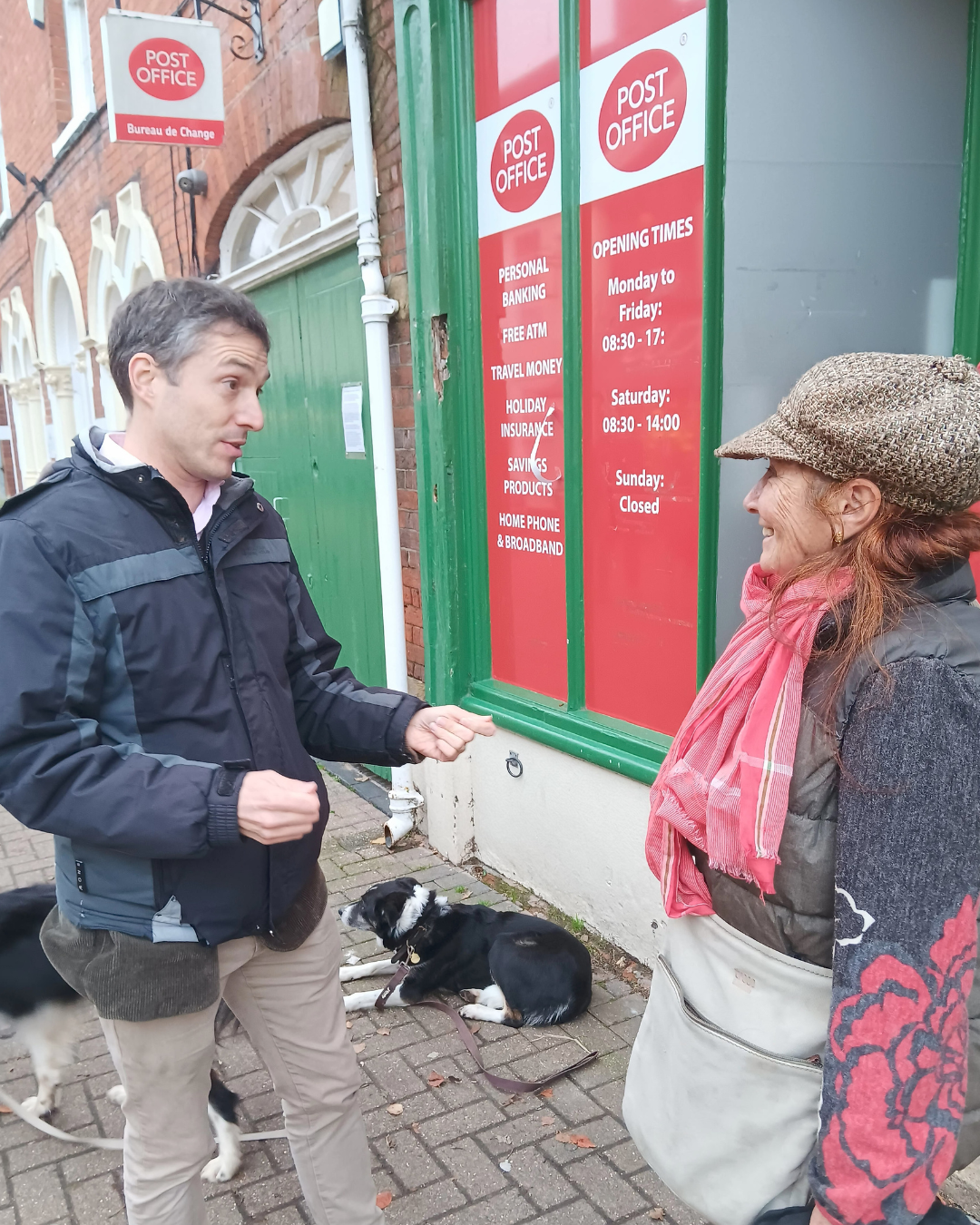
In Halesworth, the recent closure of the post office that was housed in Coopers has really affected access to banking. This will be made worse when Barclays, which has been operating a weekly pop-up at the library for some time, closes its service in December as well. Alongside our Green councillors I have been urging the post office to prioritise the search for potential alternative sites in Halesworth.
Meanwhile, Eye has been left with just one cash point, no banking facility and no post office. Green Councillor Lucy Elkin has been working with local business owners to try to bring a post office back to Eye. These losses show exactly why banking hubs are essential and why the Government must accelerate the rollout of the hubs. Like in Eye, Bungay has lost all banks and the Barclays banking service in the library has also closed.
I frequently hear from residents and business owners that managing everyday banking has become increasingly complex without a local branch. People are struggling to deposit cash, pay bills, or receive in-person advice. Small businesses that handle cash daily are finding it harder to bank their earnings safely. Older residents who do not use online banking are at an extra disadvantage as they must travel to the nearest town. For those without cars and with poor public transport links, the loss of local banking services is a serious barrier to independence.
That is why I have been calling for the Government to accelerate the rollout of banking hubs across the country, prioritising rural areas. A banking hub is a shared space where the post office and several high street banks work together to provide face-to-face services. Customers of different banks can visit on set days to withdraw or deposit cash, pay in cheques, or get advice from a representative of their own bank.
In Harleston, a banking hub has been operating in a temporary location for some time, making an enormous difference. It helps keep people coming into the town centre, supports local shops and cafés, and ensures that vital financial services remain accessible to everyone.
We need the long-term future for existing banking hubs to be secured, and we need more hubs across our region. Banking hubs are not just about convenience. They are about fairness and inclusion. They allow everyone, regardless of age, income, or digital ability, to manage their finances confidently.
It is deeply worrying to see banks withdraw entirely from communities, especially while many report record profits. Access to banking is not a luxury. It is an essential service that underpins local economies. When banks close, the impact is felt across the community. Small businesses lose cash services, older residents lose independence, and high streets lose footfall. A thriving market town needs essential services that keep it connected and alive.
I’ve been worried seeing banks leaving our community, especially as the high street banks are reporting record profits. Access to banking cannot be treated as a luxury for the future. It is an essential service, and when private banks cannot or will not provide it, the Government must ensure that communities are not left behind.
I will continue to raise this issue in Parliament and with both the Post Office and the Treasury. We cannot allow rural East Anglia to become a patchwork of communities without access to cash or local banking. Halesworth, Eye, Bungay and other rural towns deserve better, and I will keep fighting to make sure they get it.

The Government has finally acknowledged the NHS dentistry crisis. Now it must take action.
8th of August 2025
When I stood for election a little over a year ago, the one issue that came up time and time again was the near-complete collapse in access to NHS dental care locally. It was raised by parents who couldn’t get appointments for their children, and by people sometimes travelling hours just to be seen. I’ve even spoken to people in so much pain that they resorted to pulling out their teeth. This cannot be right.
I’ve long believed that dentistry is the forgotten sibling of the NHS. A vital service that has been chronically underfunded for decades.
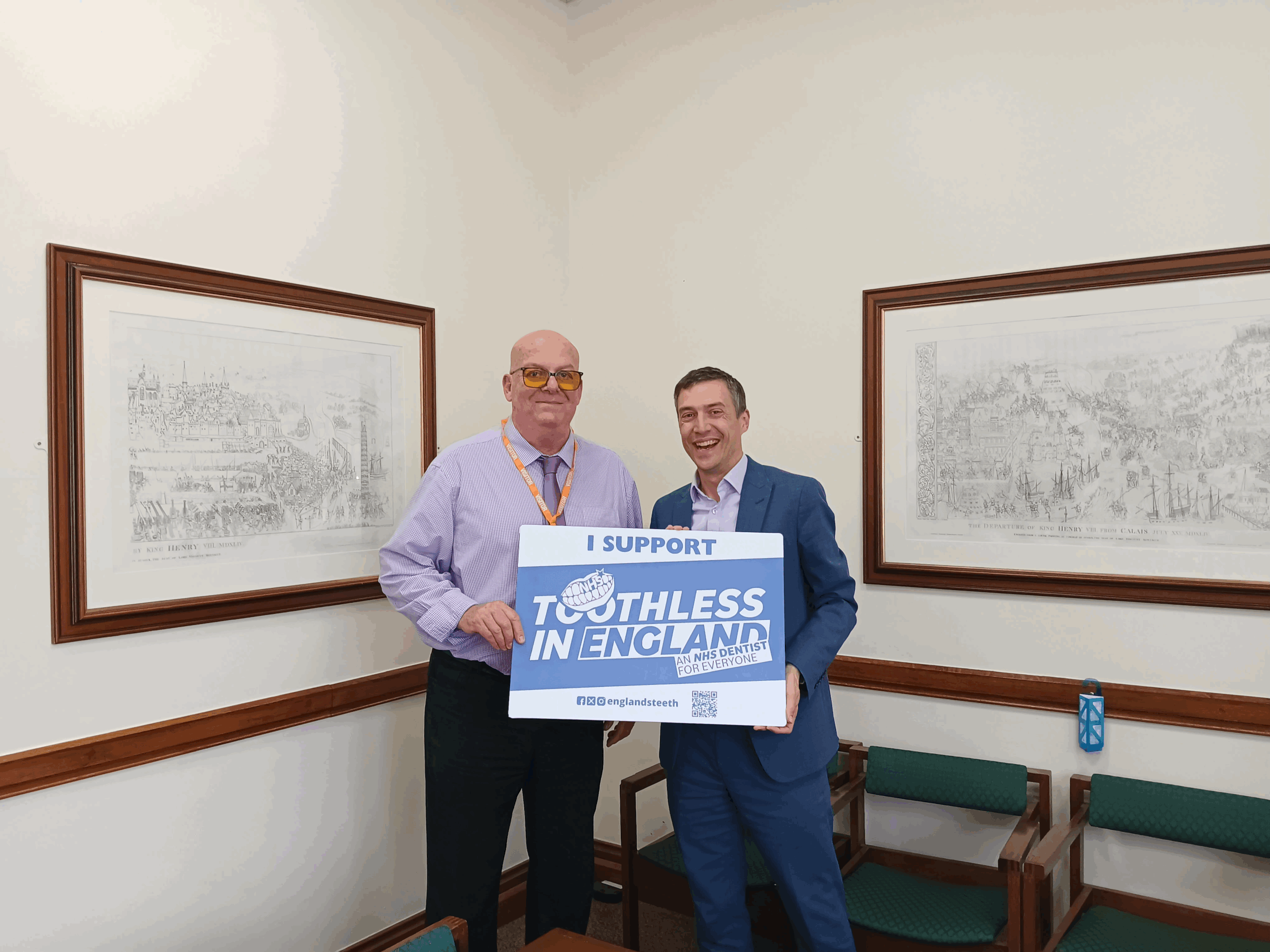
From day one in Parliament, I made it a priority to press the Government on this issue. I’ve repeatedly raised it on the floor of the House, submitted questions, and met with the British Dental Association (BDA) and the campaign group Toothless in England multiple times to hear directly from those on the front lines. Their message has been consistent: the current system is broken.
Dentists are willing and able to help, but many are leaving NHS work because the contract model is unworkable, and the funding is not there. That is why I have sought to work with the BDA to secure a new workable contract - one that serves dentists, patients, and the NHS.
The Government’s response until now has been lacklustre to say the least. They have promised reforms that never materialised and continued to allocate funding that, infuriatingly, went unspent. In fact, despite the Government’s initial action and announcements and schemes that were supposed to fix things, the proportion of dentists working in the NHS in Norfolk and Waveney continues to drop.
I took the opportunity in Parliament last month to ask the Minister of State for Care whether the recently announced additional funding for the Department of Health and Social Care would lead to substantial investment in NHS dentistry. I asked a simple, direct question. Will the Government ensure that the extra funding that has been put into the Department is actually reflected in extra funding for NHS dentistry?
This time, the Minister gave a clear and welcome commitment. He said, and I quote, “Every penny that is allocated to NHS dentistry must be spent on NHS dentistry.” He also acknowledged how outrageous it is that we have seen underspending in dentistry budgets at a time of rising demand. Crucially, he recognised that areas like East Anglia, which have been underserved for years, must be prioritised.
As someone who has worked consistently on this issue, both inside and outside Parliament, I am pleased that the Government is finally starting to recognise the scale of the problem. But let’s be clear. Words are not enough. Promises mean little unless they are followed by action. What we need is for this Government to live up to its commitment to spend every penny allocated to NHS dentistry, and to follow through as soon as possible with the contract reforms so we can stop – and then reverse – the exodus of dentists from the NHS.
For people in Waveney Valley and across East Anglia, this needs to result in more NHS dentists on the ground. It needs to mean appointments that are available when needed. Patients must not be forced into private treatment or left waiting for months or longer for basic care.
There is also a broader question here about how we view dentistry as part of our health system. For too long, dental care has been treated as a separate or second-tier service. That must change. Oral health is not an optional extra, it’s a vital part of our overall health. Until the Government sees this, we are going to get nowhere in improving our overall wellbeing.
Untreated dental problems can lead to severe pain, serious infections, and, in some cases, leave people unable to eat. Tooth decay is the number one reason for hospital admission for children – a total scandal. The idea that this essential part of healthcare is now out of reach for so many people is not just unfair. It is a public health failure.
The Government may have come to its senses on NHS dentistry, but this must now be a turning point, not just a passing gesture. In the months ahead, I will continue to work with the BDA and Toothless in England to push for tangible action, not just words.
No one should be in pain because they cannot afford to see a dentist. No child should be denied basic healthcare because of where they live. It’s time the Government made good on its promise and delivered NHS dentistry that works for the people who need it most.
I will not let this issue drop. I will continue to fight for a system that works, for patients, for dentists, and communities like ours.
Farming & inheritance tax
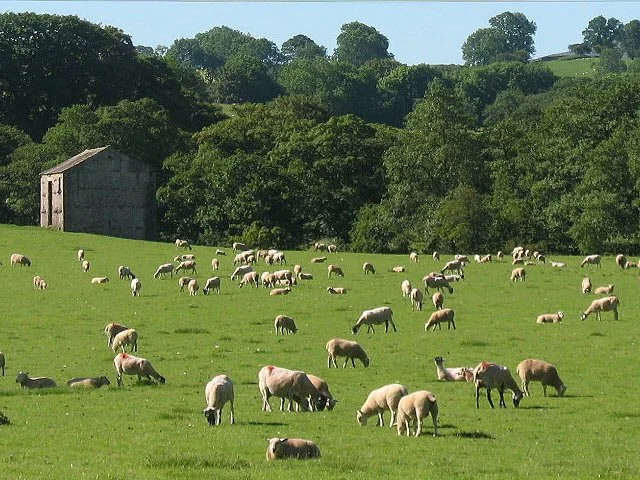
If the Government was hoping that the deep concern over its plans for inheritance tax on farmland would go away in the New Year, it was reminded last week that farmers remain as incensed as ever about the changes. About 100 tractors blockaded Oxford city centre when the Environment Secretary was giving a speech at the Oxford Farming Conference.
3rd of February 2025
If the Government was hoping that the deep concern over its plans for inheritance tax on farmland would go away in the New Year, it was reminded last week that farmers remain as incensed as ever about the changes. About 100 tractors blockaded Oxford city centre when the Environment Secretary was giving a speech at the Oxford Farming Conference.
He was honest enough to admit that the changes were “very unwelcome” (that’s quite the under-statement) and not something that the Government had wanted or intended to do.
I’ve spent some of the past few weeks talking to farmers in my constituency who are very worried about the changes. But what they’ve also told me is that the current tax situation isn’t working for them either. In fact, in many ways, it’s harming ordinary working farmers.
I heard about a 350-acre farm in Suffolk which was bought recently by a merchant banker from London who didn’t even visit the property so clearly had no intention of farming it. In fact, he bought it before it even went on the market, to add to his existing property portfolio and minimise his inheritance tax liabilities.
If this was an unusual or exceptional case, that would be bad enough. But it isn’t. According to one nationwide land agency, non-farmers bought more than half of the farms and estates sold on the open market in England in 2023. The amount of land bought by ordinary farmers was the lowest on record. That is an astonishing state of affairs.
What makes it worse is that the interest of very wealthy outside investors is driving up land prices, which are now at a record high. As one farmer told me, when an ordinary working farmer hopes to expand, the last thing he or she wants is high land prices. Yet that is exactly what they’ve got.
So while farmers have genuine fears that their children will not be able to inherit the family farm and continuing producing food, what’s become clear is that they are already being squeezed out of buying more land. If they can’t expand, they can’t increase food production, affecting our food security. It also makes it harder for them to set aside land for environmental benefits.
The current tax situation is not sustainable. It’s not helping ordinary farmers and it’s depriving the Government of tax revenue which is needed to fund our crumbling public services such as schools, health care and public transport. I want to see it changed so that the very wealthy pay their fair share of taxes, while genuine farmers can carry on doing what they do best – growing and producing food for us all.
But the Government’s plans won’t achieve either of these aims. The reduced inheritance tax rate being proposed will still entice wealthy investors who want to limit their inheritance tax liabilities, while farmers will face huge tax bills when they try to pass on a family farm to the next generation. Many will end up having to sell land to meet the tax liability with an impact on our food security.
This policy has been badly drawn up and thrown together without taking into full consideration what’s been happening in the farming sector, in particular the steep rise in land prices which makes the average-sized family farm worth on paper several million pounds, even though the farmer may be earning barely more than the minimum wage.
There is a clear solution to this. Close the tax loophole to deter investors and, hopefully, bring down land prices but protect genuine farmers by raising the threshold much higher than the proposed £1 million. That’s what the farmers and local National Farmers Union reps I’ve spoken to want to see.
Farming is an absolutely critical industry – vital for our food security, the protection of wildlife and our response to climate change. But if we want to protect it, there must be a fair deal for farmers to include: ensuring the funding pots for environmental land management schemes are adequate and easy to access; tackling the power of the supermarkets and stopping them squeezing the prices that farmers receive; and addressing the existing tax loophole.
The Conservatives and others who want to keep the status quo aren’t acting in the interests of genuine farmers – they are protecting the interests of very wealthy investors. I want to see those with the broadest shoulders like these wealthy investors pay their fair share of tax. I also want to family farms to thrive.
The Chancellor should close this tax loophole while raising the inheritance tax threshold to protect ordinary farms. After a very difficult 2024, it would at least bring some relief to farmers for the year ahead.
Adrian Ramsay MP
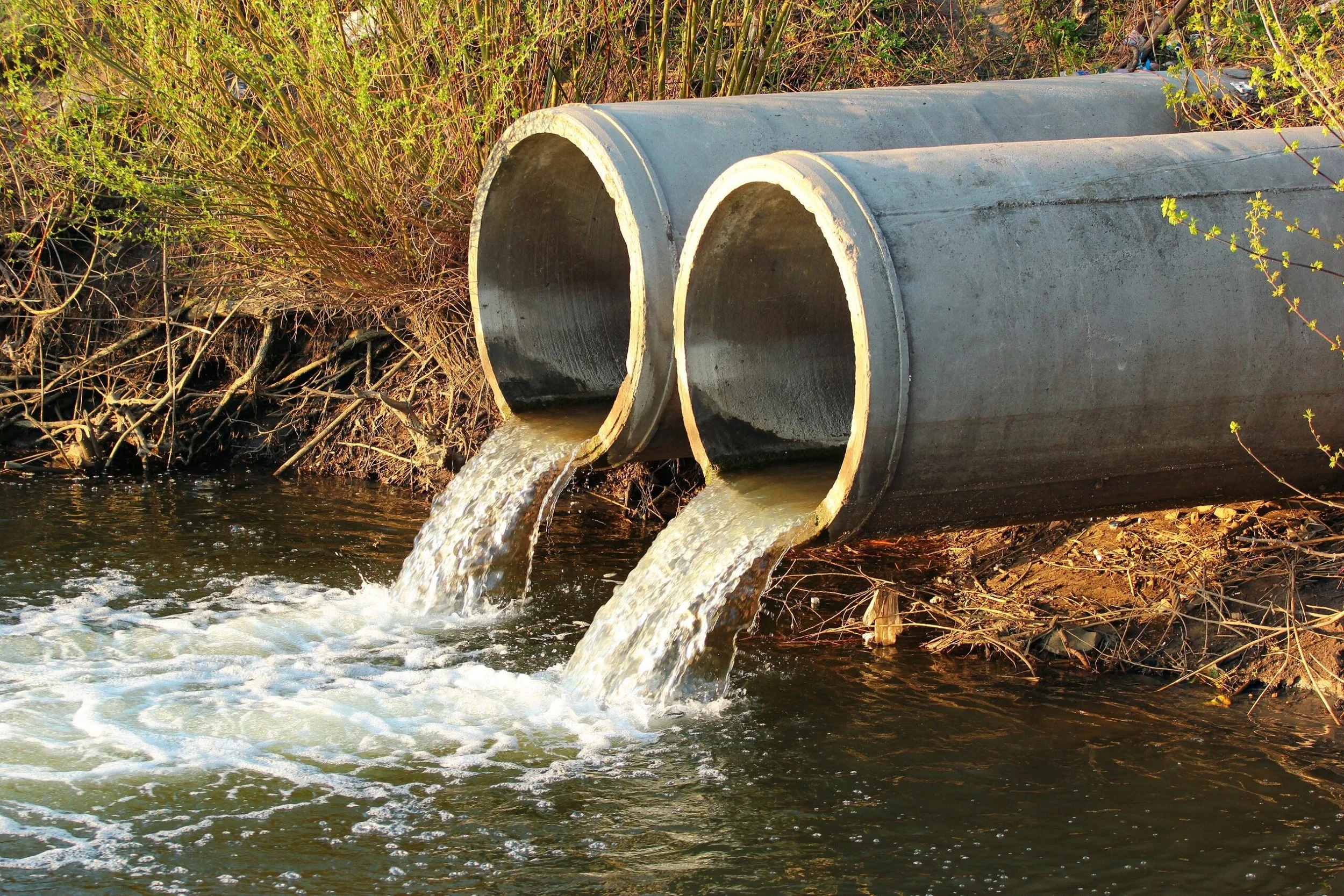
Raw sewage dumped in our rivers by the privatised water companies has rightly become a national scandal.
Shockingly, not a single river in England is in good overall health, according to the Rivers Trust, and only 15 percent are in good ecological health. That is a terrible indictment on the water companies who continue to dump raw sewage into rivers and on to beaches as an increasing rate. Sewage dumping doubled in 2023 compared to the previous year.
12th of January 2025
Raw sewage dumped in our rivers by the privatised water companies has rightly become a national scandal.
Shockingly, not a single river in England is in good overall health, according to the Rivers Trust, and only 15 percent are in good ecological health. That is a terrible indictment on the water companies who continue to dump raw sewage into rivers and on to beaches as an increasing rate. Sewage dumping doubled in 2023 compared to the previous year.
(That would be bad enough, but over the years the owners of the privatised water companies have pocketed tens of billions of pounds in dividends and water company executives continue to be paid generous bonuses, even when their company has been fined for dumping sewage.)
The way the water companies have been regulated since they were privatised 35 years ago has not worked. The regulator, Ofwat, has been far too weak in dealing with the companies’ failings and the Environment Agency hasn’t done an effective job in policing pollution spills.
You would expect that a company which pollutes a river should be made to clean it up. But even that doesn’t happen. Sometimes the reasons for this are understandable. Agricultural run-off from fertilised fields is a major cause of pollution but it’s not always obvious where that pollution is coming from.
That’s not the case with sewage which causes worse pollution than agricultural run-off with a bigger impact on plants, animals and microbes. And it’s usually obvious who or what is responsible for it so it’s easy to point the finger. But too often water companies get away with it because it’s actually legal for them to dump raw sewage into our rivers when it rains heavily, and treated sewage at other times, even if it’s harmful to the ecosystem it flows into. Sewage was dumped into the River Waveney on 389 occasions in 2021, much of it quite legally.
There isn’t even one organisation responsible for overseeing all river pollution incidents and restoration projects, partly because of the diverse causes.
All this brings us to the important question of who should be responsible for cleaning up our polluted rivers when so much of the pollution is either difficult to trace or is there “legally”.
The Environment Agency has belatedly begun to get a grip of this, spurred by understandable public anger over the state of our rivers and beaches. Anglian Water has committed to spend £50 million on tackling sewage spills. But local groups aren’t waiting around for Anglian to act – they are taking matters into their own hands to clean up their local river. And they want the fines imposed on water companies to help fund this.
There is an £11 million Water Restoration Fund, set up by the previous government to pay for the clean-up and protection of our rivers. The money for it came from the fines imposed on water companies for serious sewage spills over the course of a year. Just three water companies were fined £168 million last year for polluting our waterways, so this amounts to small change. Given the state of our rivers, not surprisingly there were masses of applications for grants from the fund.
But payouts got held up by the general election last July so all those who applied for money are still waiting to hear if they will receive any. The River Waveney Trust is one of them. It put in a bid for a £144,000 grant, alongside the Broads Trust, to help clean up the river and fund a citizen science water quality testing programme.
Its director, Martha Meek, says water company fines should be spent cleaning up the rivers and waterways they relate to, so the water company is seen to be picking up the costs of the pollution it caused. I couldn’t agree with her more.
The long wait for news on payouts from the Water Restoration Fund is increasing suspicion that the money won’t go to local organisations like the River Waveney Trust – it will disappear into general Treasury coffers instead. As one of the MPs scrutinising the Water (Special Measures) Bill, I’m pushing the Government for a commitment that this money will go where it’s intended, and for the law to be tightened up when it comes to water companies fouling our rivers.
The money in the Water Restoration Fund was ear-marked for good reason, to reinforce the principle that the polluter should pay to clean-up the pollution they caused. There are hundreds of local groups on standby waiting to hear if they will get the funding they need to start work. I hope the Chancellor listens, so the money starts to flow soon.
Farming, Nature & Flood Control
5th of January 2025
There have been so many mis-steps by this Labour government in its first few months in office that it’s hard to know where to start. But the latest came in last month’s budget over its approach to farms.
The issue that’s grabbed most of the headlines is the change in inheritance tax rules which could impact family-owned farms which want to pass on the farm to the next generation. The Government needs to find a way to differentiate family farms from large estates bought to avoid tax and reconsider the £1 million threshold. Many family farms are worth much more than that, even though the farmer’s income is often very low.
What’s had less attention is the worrying freeze in the subsidy paid to farmers to encourage biodiversity on their land, amounting to a real-terms cut. This will make it much harder to achieve the switch to nature-friendly farming which is so vital to reverse the decline in wildlife, clean up our rivers and make farming more resilient to climate change.
The Government has its own legally binding targets on improving nature, a recognition of the fact that we are one of the most nature-depleted countries in the world. Yet when it comes to the crunch, the budget for achieving that is going down in real terms.
It is not only deeply short-sighted. It shows ministers just don’t understand the severity of the climate and nature crises. Both will have, and are already having, a major impact on the food we grow and our food security.
Let’s take the nature crisis first. Anyone who’s been walking or driving through the countryside over the years will have noticed the drastic decline in insect life. Insect numbers are down almost 60 percent in the past 20 years so we’re seeing fewer moths, flies, bees and butterflies. All of these are important pollinators for crops as well as our gardens.
Then there’s the state of our rivers. Only 14 percent of rivers in England are in good ecological health, none of them are in good overall health. This is partly down to water companies dumping sewage in the rivers. But, especially in areas like Waveney Valley, it is also a result of agricultural run-off from fertilisers or animal waste.
The chemicals from fertilisers and waste from slurry create algal blooms, disrupting ecosystems in the water and leading to “dead zones” for animals and plants, effectively killing the river.
The Government is reviewing the way water companies are regulated to try to curb their pollution of waterways and this is welcome and long overdue. But the review is largely ignoring waste from farms which accounts for 40 percent of water pollution, according to Defra. All the more reason for the Government to increase the funding available for nature-friendly farming to the levels the nature charities are saying is needed.
The health of our rivers is vital both to nature and our own health and wellbeing. It needs to be made a priority.
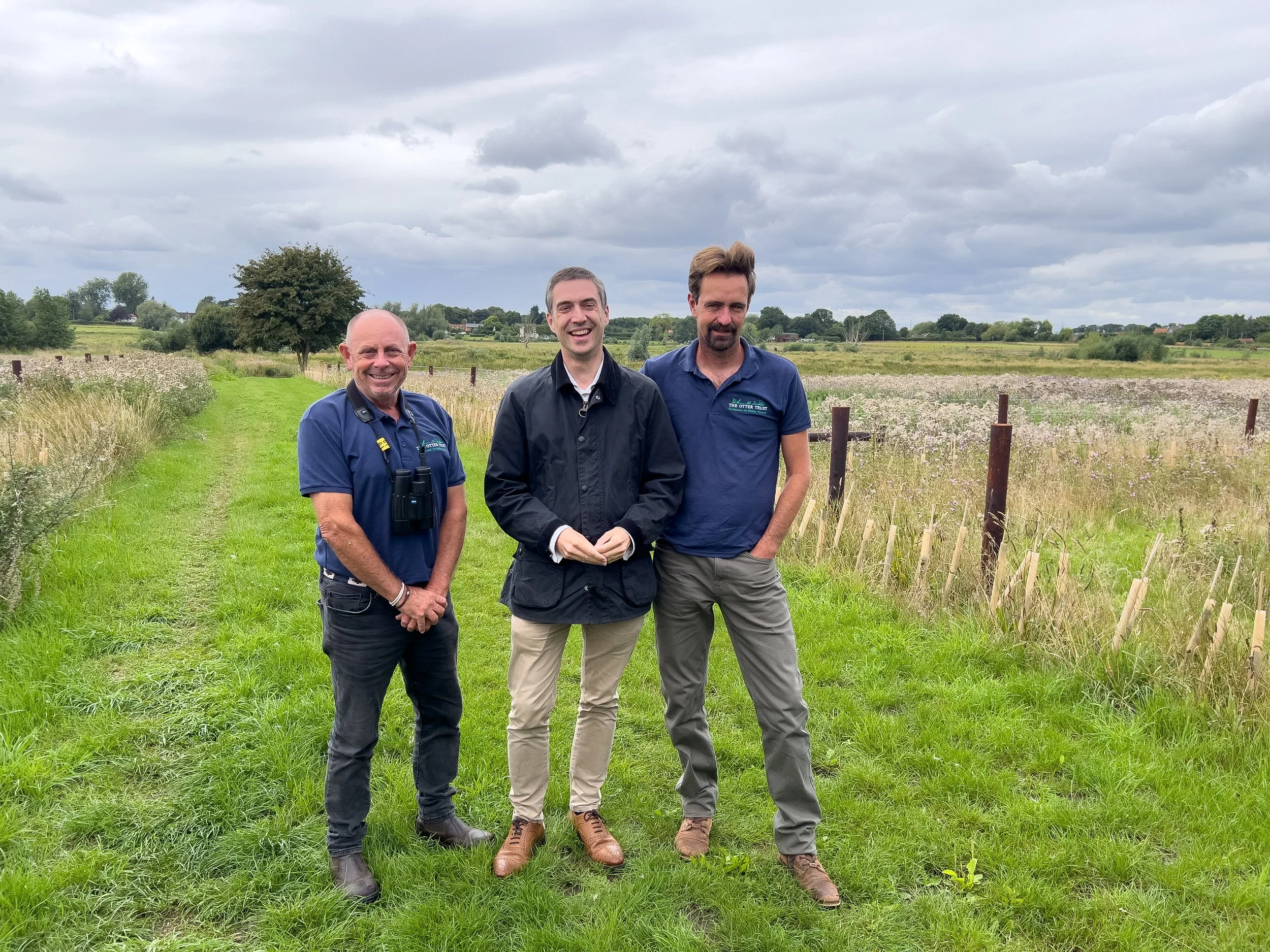
I had the chance to visit a couple of our local rivers recently, in the company of the Little Ouse Headwaters Project and the River Waveney Trust, both brilliant charities which are working to improve the health of the rivers and see how they can be better managed for the benefit of wildlife, people and the climate.
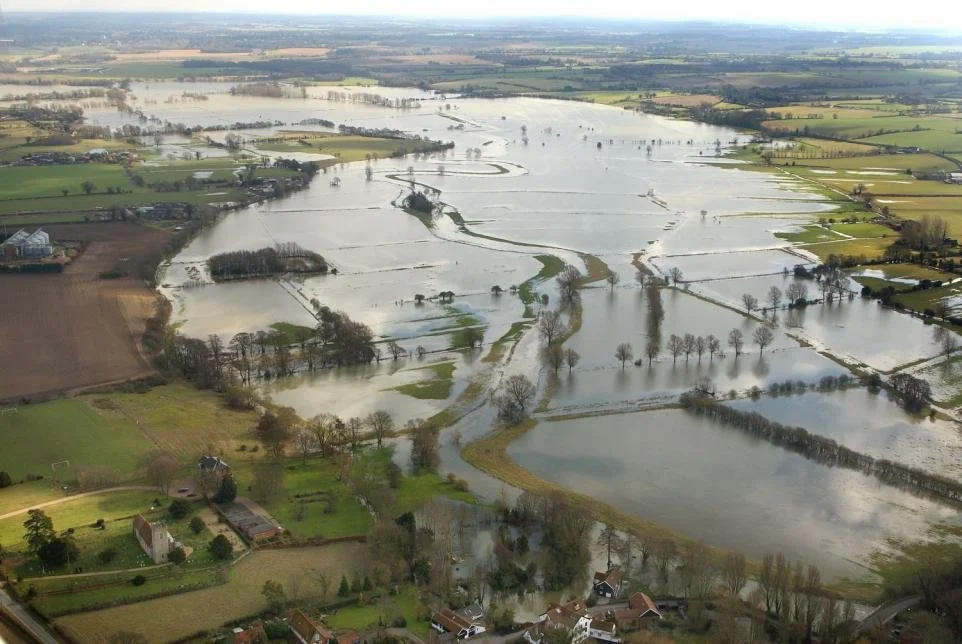
That brings us to the climate crisis. The last 18 months have been the wettest since records began in 1836 – a pattern which is likely to become the new normal with climate change. Although England has escaped the devastating floods which have hit Spain and other parts of Europe this autumn, many local communities have been affected by flooding in the last year and the frequency and severity is only likely to grow.
So flood management, especially in an area like East Anglia, has never been more important.
Gone are the days when engineers sought to channel rainfall as fast as possible into rivers. That just led to the rivers becoming overwhelmed and flooding areas further downstream.
The aim now is to hold back the water, using natural techniques like installing “leaky” dams to release water slowly, planting trees, digging ponds to store floodwater and protecting floodplains.
In Gissing, the River Waveney Trust and Norfolk Rivers Trust worked with the local community, landowners and the parish council to create a natural flood management scheme to make the land more flood resilient. They deployed low-cost solutions such as leaky dams, tree planting and using an adjacent meadow to temporarily store water so that heavy rainfall wouldn’t rush into the river and overwhelm it.
Eight named storms later, including Storm Babet in October last year, and no homes have been flooded in Gissing showing that natural flood management works.
The Little Ouse Headwaters Project is working to create a continuous corridor of wildlife habitat along the headwaters of the river, including restoring natural river features, all with flood management in mind.
Both are great projects but run on a shoestring, often with a large reliance on volunteers. Funding is always a challenge, making it difficult to scale up the work they’re doing which is vital if we’re to successfully manage flood risk and let nature recover.
I will continue to press the Government to invest properly in the nature-based solutions that are needed to support farming, restore biodiversity, capture carbon and manage floods.
Farming and IHT
20th of December 2024
In the last few weeks I’ve had many conversations with farmers in my constituency about the very difficult year they had last year and their concerns for the future.
As many of us will remember, 2024 was extraordinarily wet, even though East Anglia thankfully escaped the worst of it. Nationwide, 2024 was the second worst harvest on record. On top of that, farmers have faced rising costs which, combined with the injustice of supermarkets squeezing margins evermore, makes it very difficult to make a living.
Then came the October Budget and the proposal to close a tax loophole which exempted farmland and businesses from inheritance tax. The Chancellor is proposing a threshold of £1 million on business and agricultural assets - anything more than that would be subject to inheritance tax of 20 percent. Cue mass protests by farmers at Westminster and a growing tide of concern and anger in farming communities.
This issue has been quickly politicised with opposition parties lining up to attack the Government. There’s no surprise there. Looking for a weakness in the Government’s position is what opposition parties do. It’s part of how our democracy works. But it’s not enough for opposition parties to simply defend the current situation and offer no alternative – as the Conservatives are doing.
Because what’s become clear to me in my conversations with local farmers is that, while the Government’s proposed changes are deeply flawed, the status quo is not working either. More and more farmland is being bought by wealthy investors to avoid inheritance tax, driving up prices and denying ordinary farmers the chance to expand their farms. And these investors often have no interest in farming.
I spoke to one farmer who told me about a 350-acre farm in Suffolk which had been bought by a wealthy London banker who didn’t even visit the property. In fact, he bought it before it even went on the market. In another case, a farmer who was hoping to expand his farm and had set aside the money to buy some neighbouring land saw that land sold for 60 percent above the asking price – again bought by someone taking advantage of tax rules. It’s no wonder that land prices are rising by an average of 14 percent every year.
One nationwide land agency found that non-farmers bought more than half of the farms and estates sold on the open market in England in 2023. The amount of land bought by ordinary farmers was the lowest on record.
This is not good for farmers or for our food security. It’s clear to me that this tax loophole has to be addressed in order to save family farms and the livelihoods of ordinary working farmers.
But the way the Government has framed this policy is going to end up protecting the investors while harming the farmers. The reduced inheritance tax rate will still entice wealthy investors who want to minimise their inheritance tax liabilities, even if they can’t avoid them altogether. But farmers will face huge tax bills when they try to pass on a family farm to the next generation.
The rise in land values isn’t only pricing out many ordinary farmers. It is also driving up the paper value of their farms, pushing many of them way above the £1 million threshold proposed by the Chancellor. An average-sized farm of 300 acres could easily be worth £3 million and that’s just for the land. Then there are the buildings, the farm equipment and the livestock on the farm.
Yet many farmers are earning barely more than the minimum wage, despite working very long hours.
There is a clear solution to this. Close the tax loophole to deter investors and, hopefully, bring down land prices but protect genuine farmers by raising the threshold much higher than the proposed £1 million. That’s what the farmers and local National Farmers Union reps I’ve spoken to want to see.
Farming is an absolutely critical industry – vital for our food security, the protection of wildlife and our response to climate change. But if we want to protect it, there must be a fair deal for farmers to include: ensuring the funding pots for environmental land management schemes are adequate and easy to access; tackling the power of the supermarkets and stopping them squeezing the prices that farmers receive; and addressing the existing tax loophole. This loophole is clearly creating major problems for ordinary working farmers and costing the Treasury millions in lost tax revenue. That money is urgently needed for public services like the NHS, education and public transport – and nature friendly farming schemes.
The Conservatives and others who want to preserve the status quo aren’t acting in the interests of genuine farmers – they are protecting the interests of very wealthy investors. I want to see a huge investment in our public services, funded by taxing those with the broadest shoulders like these wealthy investors. I also want to family farms to thrive.
The Chancellor can do both by closing this tax loophole and raising the inheritance tax threshold to protect ordinary farms. It would be positive way to start the new year.
I wish you all a hopeful and peaceful 2025.
Tackling dental deserts
A shocking story on the BBC News website this month revealed that a Norwich dental practice which has 200 spaces for new NHS patients received over 16,000 applications in just one day.
I say it was shocking but, in truth, it was not surprising. East Anglia is an NHS dental desert, the worst dental desert in the country, where 99.7 percent of people are unable to find an NHS dentist. Official figures show that for new patients, NHS dentistry has effectively ceased to exist.
Around one in five patients suffer in pain. There are even reports of people resorting to pulling out their own teeth because they cannot find an NHS dentist and cannot afford to pay for a private one.
It sounds Dickensian. Yet we are living in the 21st century.
I know from my parliamentary email inbox that this is a high priority for my constituents. So when I had the opportunity to question the Prime Minister directly about it, I asked him when the Government would start the critical negotiations to reform the dental contract, which is at the heart of the problem. Dentists are not being paid appropriately for the work they do, so too many of them are quitting the NHS and treating only private patients.
I’m glad that Sir Keir Starmer acknowledged that we face a crisis and one the Government is determined to put right. I’m glad too that the Prime Minister said the Government would work on a cross-party basis to address the issue. But he wouldn’t commit to starting negotiations before the end of this year and patients are tired of waiting.
The health minister is promising a rescue plan to restore NHS dentistry with 700,000 additional urgent appointments in areas of the country most in need “as soon as possible”. Those appointments can’t come soon enough.
If access to NHS dentistry was the only problem facing health care, it would be bad enough. But it isn’t. There is a critical lack of hospital services in the constituency with some people living 20 miles or more from their nearest big hospital. There is also a lack of post-operative care following eye surgeries such as cataracts which is having an knock-on effect on local A&E services.
Soon after being elected in July, I met with the Hartismere Hospital League of Friends to talk about how the hospital might provide a wider range of services for local residents so people didn’t have to travel to Norwich, Bury St Edmunds or Ipswich for treatment.
As you will now, the hospital closed to in-patients in 2006 but, thanks to a campaign by local residents, it was kept open as a health and care centre for treatments like podiatry, physiotherapy, mental health care and rheumatology.
If its facilities were upgraded, it could provide so much more. Installing an X-ray machine would make a huge difference to local residents in both Norfolk and Suffolk.
As well as dentistry and hospital services, there is a third area vital to healthcare where our area is badly served. We don’t have enough pharmacies. In the last year, nearly six pharmacies a week have shut their doors. One of them was a Boots pharmacy which closed in Bungay earlier this year. Others are reducing their hours. The loss of pharmacies has an outsized impact on rural areas where there is often no nearby alternative.
The NHS Norfolk and Waveney integrated care board, which covers most of Waveney Valley, said it had seen the highest number of hours lost per pharmacy.
So while I welcome the Health Secretary’s promise to turn the NHS into “a neighbourhood health service”, shifting care from hospitals to the community, the proof of the pudding will be in the eating.
There is a huge amount of catching-up to do and it was alarming to see the Government back itself into a corner over its fiscal rules which just seemed to promise an extension of the austerity which has caused such damage to our public services over the past 14 years.
So at the Budget at the end of this month, I hope the Chancellor will look at all options for increasing funding to the NHS, including being willing to call on the very richest in society to pay a little more in tax, in a way that could enable us to get the funding across all NHS services – dentistry, hospital care, GP surgeries and pharmacies – that is needed to keep pace with demand.

Assisted Dying
1st of November 2024
Of all the issues constituents have raised with me over the past few weeks, none has generated as much correspondence as the bill on assisted dying. Like many other MPs, I received hundreds of letters and emails, many of them telling powerful and moving stories about caring for loved ones in the last months of their life.
I recognised the weight of responsibility in considering people’s experiences and looking at the evidence ahead of a vote that all parties treated as a matter of individual judgement and conscience for MPs.
I and my parliamentary colleagues also heard received an extraordinary level of guidance and evidence from medical professionals, advocacy groups and faith leaders.
So when I sat through the debate on the Terminally Ill Adults (End of Life) Bill – to give it its correct title – I was aware of the very deep-felt emotions behind this issue. And I saw the House of Commons at its best with serious, considered debate conducted with a huge amount of respect for the views put forward. The speeches were honest and heartfelt, with none of the grandstanding or point-scoring which often mars parliamentary debates. Everyone there, whether on the floor of the chamber or in the public gallery, recognised that we were deciding on an issue which could profoundly impact our society.
When the vote was finally declared, there was silence in the chamber with none of the usual cheering from the winning side. I think we all realised the gravity of what we had decided.
I was one of the 330 MPs who voted in favour. I was minded to do so before the debate and while I listened carefully to the arguments of those who opposed the Bill, they didn’t change my mind. I believed, and still believe, that those facing the pain and inevitability of an acute and terminal illness should have the choice to avoid a terrible and slow decline. This is about shortening death not ending life – and giving people choice in their final weeks.
There were and are very valid ethical questions raised by the Bill’s opponents. How can we ensure that no one becomes vulnerable to coercion? Can we come up with a clear legal framework that upholds a physician’s unwavering principle of ‘do no harm’? How can we prevent the measures around assisted dying expanding beyond the intended scope? Are the safeguards put in place robust enough to ensure an individual’s choice is both voluntary and informed?
The Bill does include wide-ranging safeguards such as strict eligibility criteria so that only terminally ill adults with a life expectancy of six months or less can ask for assistance; a reflection period after the request is made; multiple healthcare professionals must confirm that the individual is making the choice freely; it must be confirmed by a High Court judge. These safeguards are essential to protect the individual from coercion from family, caregivers or healthcare providers but we need to have confidence that the NHS and judges have the capacity to play their part in this.
Although the vote on 29th November was a major milestone, it does not mean the Bill will automatically become law. There are months of scrutiny in committee to come where the Bill will be poured over line by line by MPs and, unusually, by outside experts too. It will have to pass through several stages in the House of Commons before going to the House of Lords where there will be further scrutiny.
There are MPs who have admitted they voted for the Bill even though they had serious doubts about it, in the hope that their doubts can be addressed during this scrutiny and amendment process.
The debate around assisted dying has also highlighted the urgent need to improve palliative and social care in our country. We must ensure that all individuals facing a terminal illness have access to the highest standard of care so they don’t feel forced into a decision because of inadequate care and support. Since the assisted dying debate I have asked questions in the Chamber on support for the palliative care sector and I will continue to press for this and social care to get the support and focus they need.
We have taken a momentous step as a nation. We are not the first to do so. Several countries in Europe, parts of Australia, the US and Canada have all legalised assisted dying. If the parliamentary process over the months ahead is conducted with the same care, seriousness and humanity as the debate in the House of Commons, I think we can achieve a compassionate outcome which delivers choice to terminally ill people over how their life comes to an end.
100 days as an MP
18 of October 2024
It’s hard to believe it’s been 100 days since I was elected as an MP, the first-ever MP for the new constituency of Waveney Valley. The first 100 days of any job is a good time to reflect both on what’s been achieved so far and the many tasks ahead.
So what have been my first impressions as a new MP?
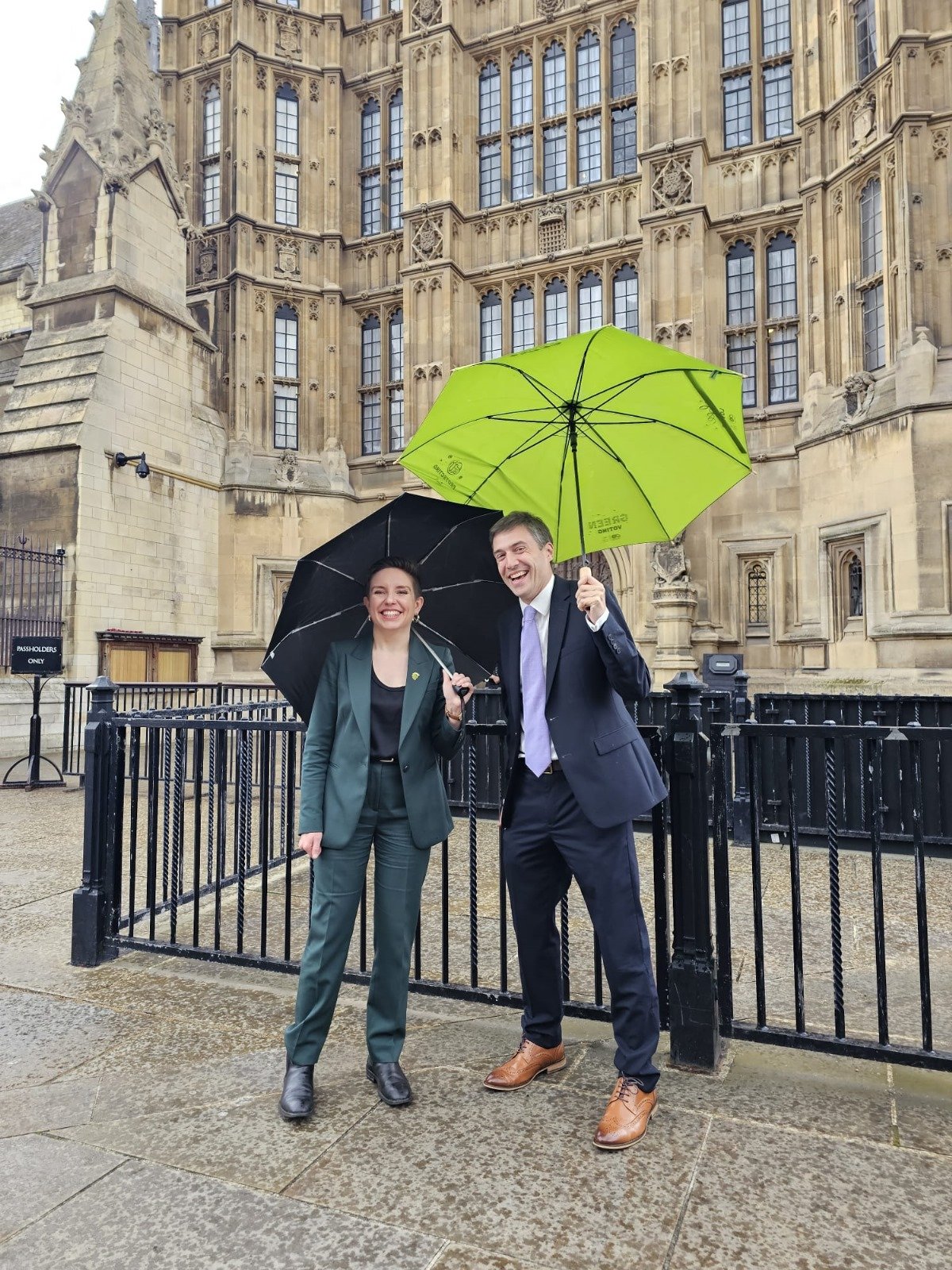
I don’t think anyone can visit the Houses of Parliament without feeling the weight of history and a sense of awe at the grandeur of the Palace of Westminster, despite all the scaffolding surrounding it.
Navigating around the building and getting to grips with the many arcane ways of doing business here is quite a challenge and I was very grateful to be allocated a “buddy” by the parliamentary authorities. It was my buddy’s job to show me where everything was, make sure I didn’t get lost (easy to do in the many labyrinths of the Palace of Westminster), explain some of the parliamentary processes, how I could table an urgent question, or add my name to an early day motion or apply for an adjournment debate.
When I arrived at Parliament on July 8th, four days after the election, I was one of hundreds of new MPs all trying to find somewhere to work, get connected to the IT system and get to grips with the role. All this without a group of staff as the recruitment process could only start once the election was over.
And all the while, the constituency casework in the constituency has continued to pour in. In fact, it started within moments of my election being announced – that is the level of need left by years of Conservative-led austerity and under-funding of public services. Many of the issues raised are ones that I was hearing about on the doorstep during the campaign – issues like the number of children with special educational needs or disabilities who don’t have school places or the lack of vital NHS services like dentistry.
I’ve had the opportunity to raise some of these issues in Parliament already. I spoke in a debate on healthcare provision in the East of England last month, pointing out that East Anglia is the Sahara desert of dental services. It is shocking and completely unacceptable that in the 21st century people are reduced to pulling out their own teeth because they cannot access NHS dental care. The dental contract is clearly broken and needs urgent reform.
When the Government has such a huge majority, I know it will be difficult to force a change in government policy. Even a few Labour rebels will not be sufficient to block a bad law.
But it is does create one advantage for smaller opposition parties like the Greens. Parliamentary protocol demands that the Speaker switches between government and opposition benches in debates and when the government benches are so crowded, those of us on the opposition side have a much greater chance of being selected to speak and I have more opportunity to put Waveney Valley’s voice directly to ministers and raise issues in the House of Commons chamber which might otherwise not be heard.
It was though luck rather than numbers which saw my name come up in the draw to ask a question of the Prime Minister within three weeks of being elected. I wanted to know what steps Keir Starmer would be taking to reverse the catastrophic depletion of nature in Britain. It was an opportunity for him to show leadership on this vital issue to our common future. Needless to say, he didn’t answer and just chose to score a political point. The collegiality which I saw during the first few days of this Parliament didn’t last long.
It is the privilege of my life to serve as the first MP for Waveney Valley. I hope constituents will bear with me as I build a team so I can deliver the best possible service as your MP.
I promised in my election leaflets that I would be Waveney Valley’s voice at Westminster, nor Westminster’s voice in Waveney Valley. That is my aim over the next four or five years of this Parliament.
The crisis in SEND provision in East Anglia
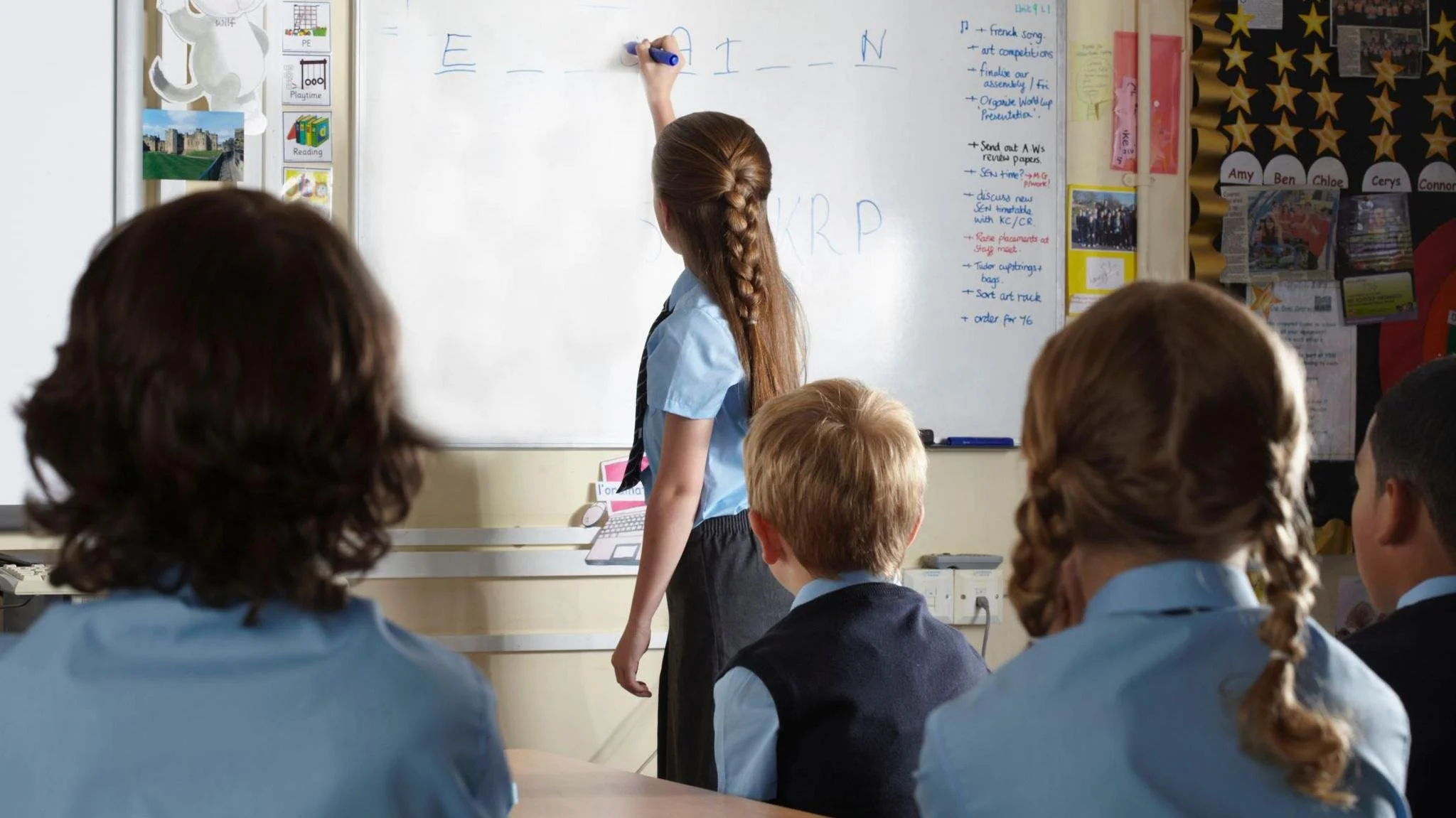
In my constituency surgeries, I meet people who are often at the end of their tether and have reached out to me because they don’t know where else to turn. Many of their stories are heart-rending and some of the most powerful, and most frequent, are the ones from parents who have children with special educational needs or disabilities (SEND). When they turn to the “system” for help, they often find they’re on their own.
In my constituency surgeries, I meet people who are often at the end of their tether and have reached out to me because they don’t know where else to turn.
Many of their stories are heart-rending and some of the most powerful, and most frequent, are the ones from parents who have children with special educational needs or disabilities (SEND). When they turn to the “system” for help, they often find they’re on their own.
Let me tell you about one parent. Her young child has what’s known as an EHCP, a document which sets out the educational, health and care plan the child needs because of their disabilities or a long-term illness. Her child couldn’t go to a mainstream primary school after leaving nursery but there were no places available at special needs schools. After a long period at home, the family were told there wouldn’t be a place until 2025.
Her son desperately missed being with other children and his mum had had to give up work for care for him. The lack of a special school place put enormous stress on other members of the family. Trying to navigate the system was bad enough, she said, but even worse was the “not knowing” and feeling that when she reached out for support, there was almost none there.
Even an educational psychologist who is used to navigating the relevant systems told me she struggled to get a place for her child in a suitable school and when one was offered, it was many miles from her home in a rural village.
It’s common for families to wait two years or more for an assessment of their child’s needs, whatever their age even though, by law, the process is supposed to take no more than 20 weeks. And specialist services can only be accessed once the child has been assessed and issued with that all-important EHCP which can take another year.
While the family are waiting, over-stretched teachers are struggling to support a child who has complex needs but they can’t get specialist services to help them because there isn’t yet an EHCP.
Families who are struggling are at the sharp end of this crisis. And the need is rocketing. Many of my fellow Norfolk and Suffolk MPs tell me they’re also seeing a huge caseload of SEND cases. Along with many of them, I spoke in a debate at Westminster last week about SEND provision in the East of England. And that was the eleventh debate on SEND education in Parliament just this year. That is how critical this issue has become.
I know from my discussions with Suffolk County Council leaders that they are worried about the sharp increase in cases involving children with special needs and disabilities. They’ve gone up by over 60 percent in the last two years, putting huge pressure on resources.
Norfolk County Council is spending nearly £50 million a year taking pupils with special educational needs to school, inside and outside the county. That’s not money for their education, it’s just for getting the children to school, often travelling quite long distances.
An Ofsted report late last year into Suffolk’s SEND provision said children got “lost in the system and (fell) through the cracks.” That’s certainly been the experience of some of my constituents. Six months after that Ofsted report, and despite Suffolk saying they’d find the money to turn around the service, parents were still saying the Council wasn’t acting on their concerns or dealing with their complaints.
The head of Suffolk’s SEND services highlight that they need more staff to help it improve, particularly more education psychologists who can assess a child’s needs. Speeding up the assessment process is vital.
But we also need more places for special needs children in our area, either in specialist schools or units within mainstream schools. And the system needs to be streamlined so parents find it much easier to navigate.
The Government is promising extra funding for special education, with about £13 million going to local authorities in the East of England. I hope there will be funding too for better access to mental health and other support, whether that’s for speech and language delay or ADHD.
Parents should have confidence that government and local authorities are there for them and able to provide the services their children need. They don’t feel that at the moment, and that has to change.
Adrian Ramsay MP