
We write as cross-party parliamentarians to ask that you implement changes to the tax system to fairly tax extreme wealth to raise funds for public benefit.

-
The Rt Hon Rachel Reeves MP
Chancellor of the Exchequer
October 2024
Dear Chancellor of the Exchequer,
We write as cross-party parliamentarians to ask that you implement changes to the tax system to fairly tax extreme wealth to raise funds for public benefit.
This government has rightly acknowledged that the previous administration left the UK’s economy and public services in disarray. Austerity has plagued our constituencies and communities for over a decade, leaving vital services under-resourced and unable to adapt to emerging crises.
But there is no visible end to this crisis of underfunding. Analysis suggests that current spending plans and fiscal rules will likely lead to £18 billion of cuts to unprotected departments by 2029. In addition, through efforts to plug the financial shortfall left by the previous government, this government has already made executive decisions that place the burden of economic hardship on the most vulnerable.
We cannot afford to continue on this trajectory and, crucially, we do not need to.
In recent years, billionaire wealth has soared, increasing by almost £150 billion between 2020 and 2022. Despite this, revenue from wealth taxes has remained stagnant at around 3.4% of the UK’s GDP, proportionately only one percent higher than rates in 1965. This stands in contrast to other trends in the tax system, meaning that the richest are relatively under-taxed. This is deeply unfair and immoral: in an age of climate and economic crises, where public funds are desperately needed, it is necessary that we redress this imbalance.
The transformative potential of taxes on extreme wealth is clear, and appetite for them is growing. Governments around the world - including Norway, Italy and Brazil - are considering fiscal measures to fairly tax the super-rich. As one of the most unequal economies in the G7, the UK should follow suit.
In the upcoming Budget, we call on you to include the following changes:
Introduce an annual tax on extreme wealth. Fairly taxing extreme wealth is supported by three quarters of Britons and would generate a large stream of revenue. A wealth tax of 2% on assets over £10 million, for instance, would raise £24 billion per year.
Equalise capital gains and income tax rates. This would raise £16.7 billion per year and would rectify unfairness in the tax system, where working people are subject to proportionately higher rates of tax.
We urge you to take the bold decisions necessary to deliver the public funding that the UK desperately needs. As the first Budget of a new government, this is a key opportunity to lay the foundations for a fairer, more sustainable, and thriving economy for all.
Yours sincerely,
Adrian Co-Signed this cross-party letter initiated by Green New Deal Rising.
The crisis in SEND provision in East Anglia
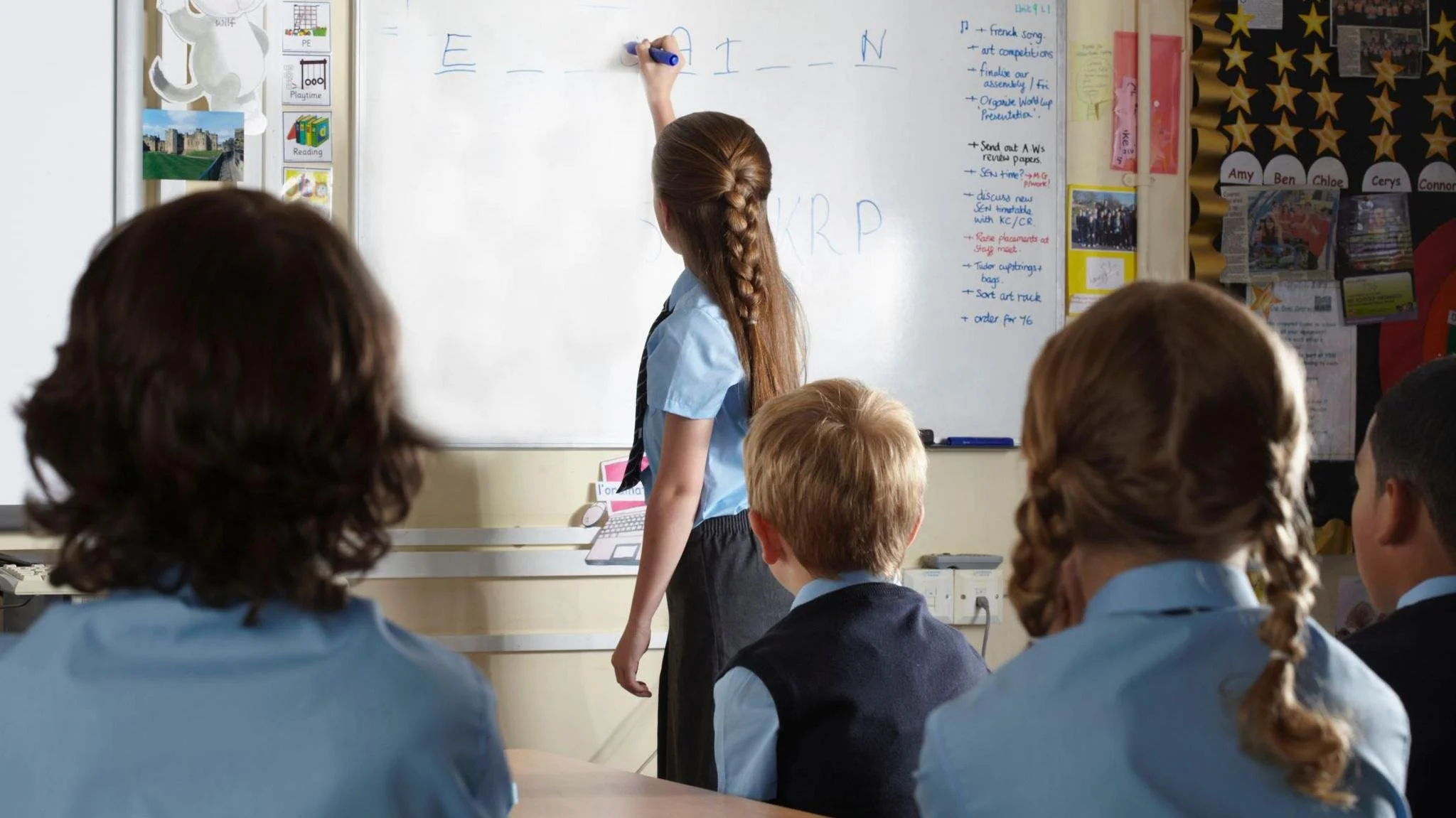
In my constituency surgeries, I meet people who are often at the end of their tether and have reached out to me because they don’t know where else to turn. Many of their stories are heart-rending and some of the most powerful, and most frequent, are the ones from parents who have children with special educational needs or disabilities (SEND). When they turn to the “system” for help, they often find they’re on their own.
In my constituency surgeries, I meet people who are often at the end of their tether and have reached out to me because they don’t know where else to turn.
Many of their stories are heart-rending and some of the most powerful, and most frequent, are the ones from parents who have children with special educational needs or disabilities (SEND). When they turn to the “system” for help, they often find they’re on their own.
Let me tell you about one parent. Her young child has what’s known as an EHCP, a document which sets out the educational, health and care plan the child needs because of their disabilities or a long-term illness. Her child couldn’t go to a mainstream primary school after leaving nursery but there were no places available at special needs schools. After a long period at home, the family were told there wouldn’t be a place until 2025.
Her son desperately missed being with other children and his mum had had to give up work for care for him. The lack of a special school place put enormous stress on other members of the family. Trying to navigate the system was bad enough, she said, but even worse was the “not knowing” and feeling that when she reached out for support, there was almost none there.
Even an educational psychologist who is used to navigating the relevant systems told me she struggled to get a place for her child in a suitable school and when one was offered, it was many miles from her home in a rural village.
It’s common for families to wait two years or more for an assessment of their child’s needs, whatever their age even though, by law, the process is supposed to take no more than 20 weeks. And specialist services can only be accessed once the child has been assessed and issued with that all-important EHCP which can take another year.
While the family are waiting, over-stretched teachers are struggling to support a child who has complex needs but they can’t get specialist services to help them because there isn’t yet an EHCP.
Families who are struggling are at the sharp end of this crisis. And the need is rocketing. Many of my fellow Norfolk and Suffolk MPs tell me they’re also seeing a huge caseload of SEND cases. Along with many of them, I spoke in a debate at Westminster last week about SEND provision in the East of England. And that was the eleventh debate on SEND education in Parliament just this year. That is how critical this issue has become.
I know from my discussions with Suffolk County Council leaders that they are worried about the sharp increase in cases involving children with special needs and disabilities. They’ve gone up by over 60 percent in the last two years, putting huge pressure on resources.
Norfolk County Council is spending nearly £50 million a year taking pupils with special educational needs to school, inside and outside the county. That’s not money for their education, it’s just for getting the children to school, often travelling quite long distances.
An Ofsted report late last year into Suffolk’s SEND provision said children got “lost in the system and (fell) through the cracks.” That’s certainly been the experience of some of my constituents. Six months after that Ofsted report, and despite Suffolk saying they’d find the money to turn around the service, parents were still saying the Council wasn’t acting on their concerns or dealing with their complaints.
The head of Suffolk’s SEND services highlight that they need more staff to help it improve, particularly more education psychologists who can assess a child’s needs. Speeding up the assessment process is vital.
But we also need more places for special needs children in our area, either in specialist schools or units within mainstream schools. And the system needs to be streamlined so parents find it much easier to navigate.
The Government is promising extra funding for special education, with about £13 million going to local authorities in the East of England. I hope there will be funding too for better access to mental health and other support, whether that’s for speech and language delay or ADHD.
Parents should have confidence that government and local authorities are there for them and able to provide the services their children need. They don’t feel that at the moment, and that has to change.
Adrian Ramsay MP