
Adrian Ramsay MP Marks VE Day at Westminster Abbey and Across Waveney Valley
12th of May 2025
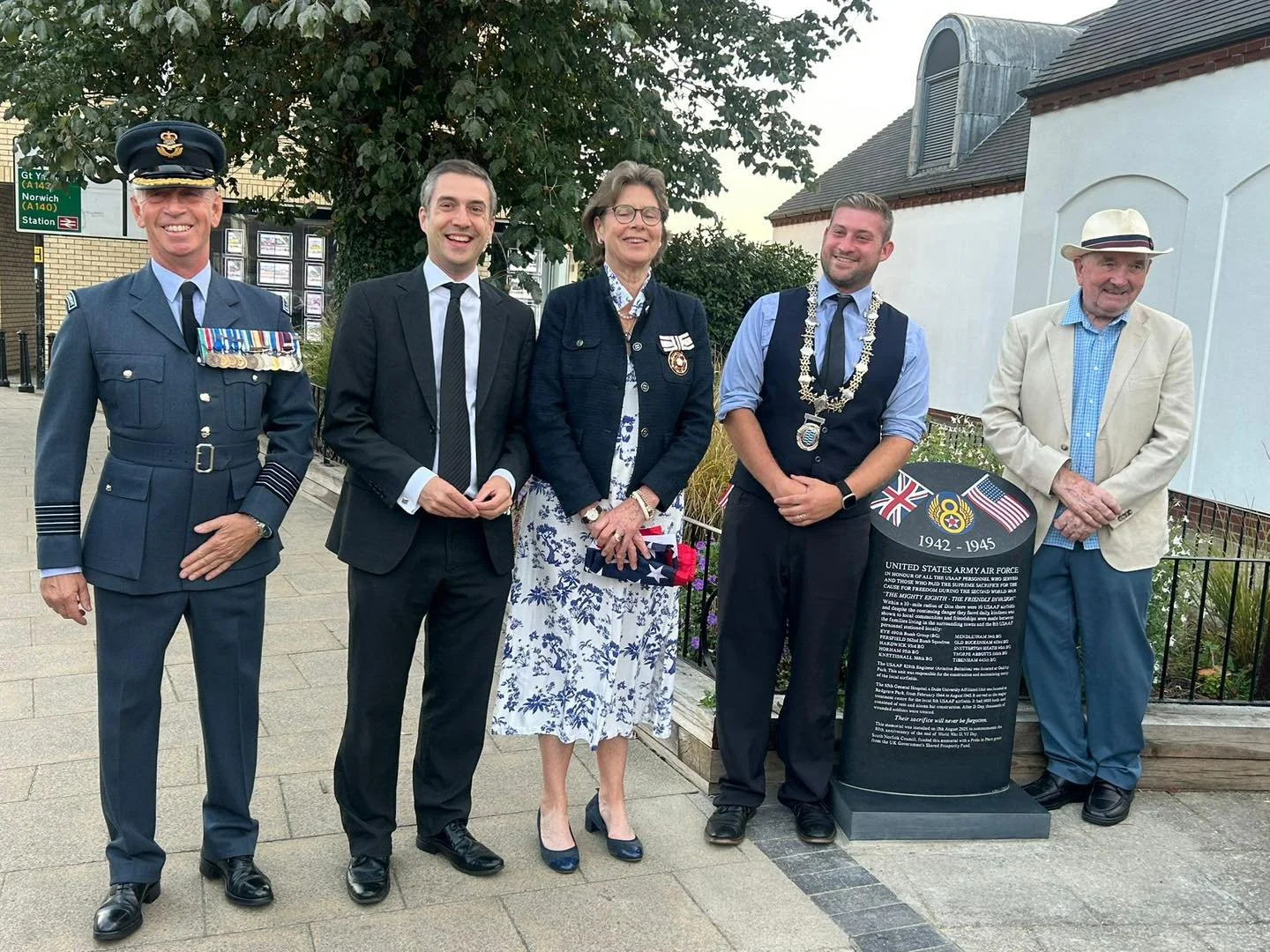
Adrian Ramsay MP, Co-Leader of the Green Party of England and Wales and Member of Parliament for Waveney Valley, marked VE Day by attending the national commemoration ceremony at Westminster Abbey, followed by local events across his constituency.
Adrian Ramsay MP said:
“It was an enormous honour to represent the Green Party at Westminster Abbey to mark 80 years since the end of the Second World War in Europe. VE Day is a time to reflect on the significant sacrifices made in the pursuit of peace. As we commemorate that hard-won peace, I am reminded that we, as Members of Parliament, have a duty to promote and protect peace in the world today.”
Later that evening, Adrian joined residents at events in Diss and Harleston to commemorate VE Day locally:
"It was a privilege to attend VE Day events in Diss and Harleston, following the ceremony at Westminster Abbey. It brought home the fact that, at its heart, VE Day is about community and remembrance. Eighty years ago, people across the country came together to celebrate the end of the war with their neighbours, while also mourning the fallen who made the ultimate sacrifice. I was proud to stand alongside our communities in Diss and Harleston as they gathered once again in that same spirit. As we honour the past, it is also a moment to reflect on the enduring values of peace, unity, and resilience."
ENDS
Cross Party Letter re Nature Protection
-
Dear Angela,
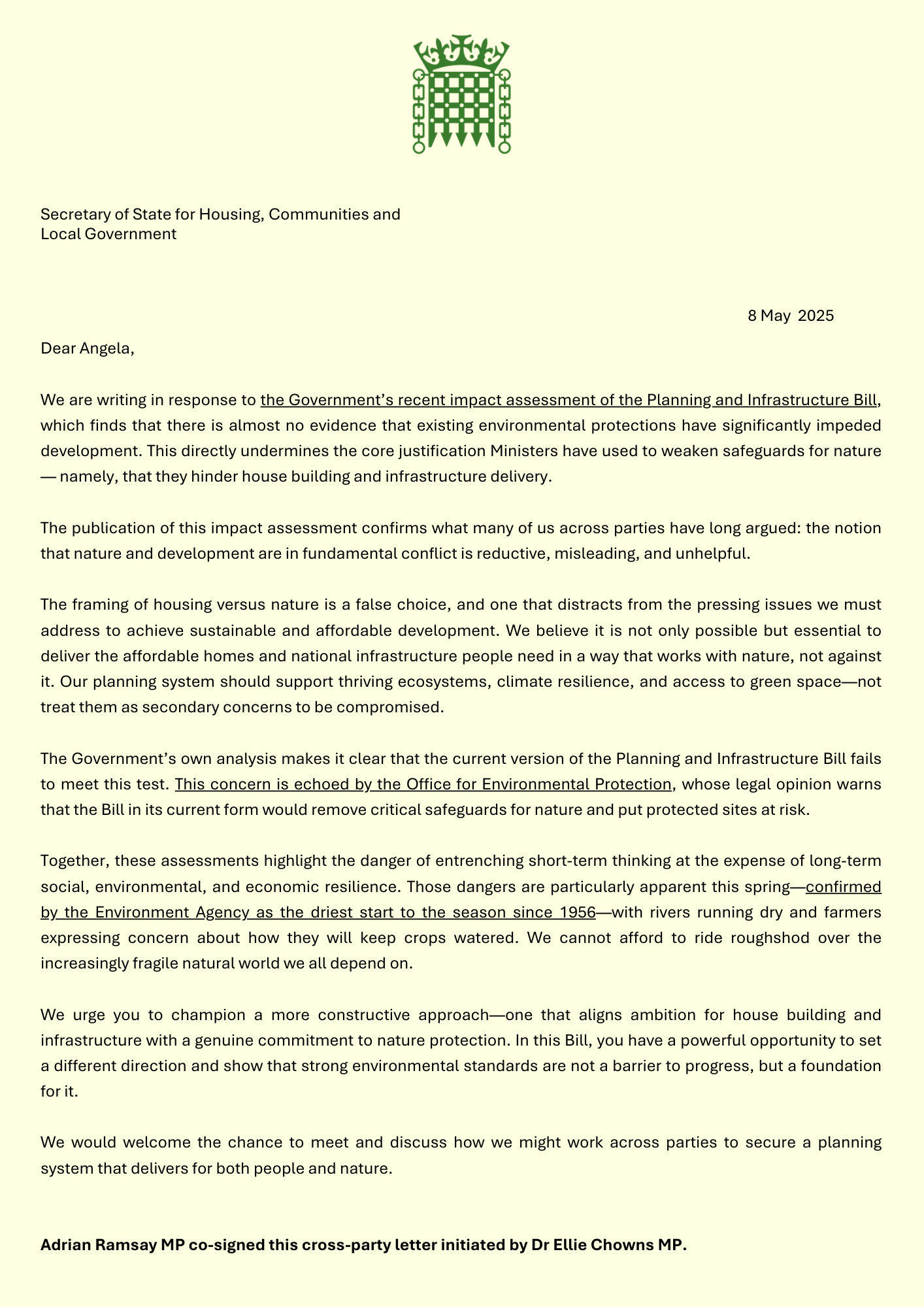
We are writing in response to the Government’s recent impact assessment of the Planning and Infrastructure Bill, which finds that there is almost no evidence that existing environmental protections have significantly impeded development. This directly undermines the core justification Ministers have used to weaken safeguards for nature— namely, that they hinder house building and infrastructure delivery.
The publication of this impact assessment confirms what many of us across parties have long argued: the notion that nature and development are in fundamental conflict is reductive, misleading, and unhelpful.
The framing of housing versus nature is a false choice, and one that distracts from the pressing issues we must address to achieve sustainable and affordable development. We believe it is not only possible but essential to deliver the affordable homes and national infrastructure people need in a way that works with nature, not against it. Our planning system should support thriving ecosystems, climate resilience, and access to green space—not treat them as secondary concerns to be compromised.
The Government’s own analysis makes it clear that the current version of the Planning and Infrastructure Bill fails to meet this test. This concern is echoed by the Office for Environmental Protection, whose legal opinion warns that the Bill in its current form would remove critical safeguards for nature and put protected sites at risk.
Together, these assessments highlight the danger of entrenching short-term thinking at the expense of long-term social, environmental, and economic resilience. Those dangers are particularly apparent this spring—confirmed by the Environment Agency as the driest start to the season since 1956—with rivers running dry and farmers expressing concern about how they will keep crops watered. We cannot afford to ride roughshod over the increasingly fragile natural world we all depend on.
We urge you to champion a more constructive approach—one that aligns ambition for house building and infrastructure with a genuine commitment to nature protection. In this Bill, you have a powerful opportunity to set a different direction and show that strong environmental standards are not a barrier to progress, but a foundation for it.
We would welcome the chance to meet and discuss how we might work across parties to secure a planning system that delivers for both people and nature.
Dear Angela,
We are writing in response to the Government’s recent impact assessment of the Planning and Infrastructure Bill, which finds that there is almost no evidence that existing environmental protections have significantly impeded development. This directly undermines the core justification Ministers have used to weaken safeguards for nature— namely, that they hinder house building and infrastructure delivery.
The publication of this impact assessment confirms what many of us across parties have long argued: the notion that nature and development are in fundamental conflict is reductive, misleading, and unhelpful.
The framing of housing versus nature is a false choice, and one that distracts from the pressing issues we must address to achieve sustainable and affordable development. We believe it is not only possible but essential to deliver the affordable homes and national infrastructure people need in a way that works with nature, not against it. Our planning system should support thriving ecosystems, climate resilience, and access to green space—not treat them as secondary concerns to be compromised.
The Government’s own analysis makes it clear that the current version of the Planning and Infrastructure Bill fails to meet this test. This concern is echoed by the Office for Environmental Protection, whose legal opinion warns that the Bill in its current form would remove critical safeguards for nature and put protected sites at risk.
Together, these assessments highlight the danger of entrenching short-term thinking at the expense of long-term social, environmental, and economic resilience. Those dangers are particularly apparent this spring—confirmed by the Environment Agency as the driest start to the season since 1956—with rivers running dry and farmers expressing concern about how they will keep crops watered. We cannot afford to ride roughshod over the increasingly fragile natural world we all depend on.
We urge you to champion a more constructive approach—one that aligns ambition for house building and infrastructure with a genuine commitment to nature protection. In this Bill, you have a powerful opportunity to set a different direction and show that strong environmental standards are not a barrier to progress, but a foundation for it.
We would welcome the chance to meet and discuss how we might work across parties to secure a planning system that delivers for both people and nature.
Adrian Ramsay MP co-signed this cross-party letter initiated by Dr Ellie Chowns MP.
Letter to the Secretary of State for Transport to ensure that the upcoming Integrated National Transport Strategy delivers for people
-
The Rt Hon Heidi Alexander MP
Secretary of State for Transport
By Email
May 2025
Dear Heidi,
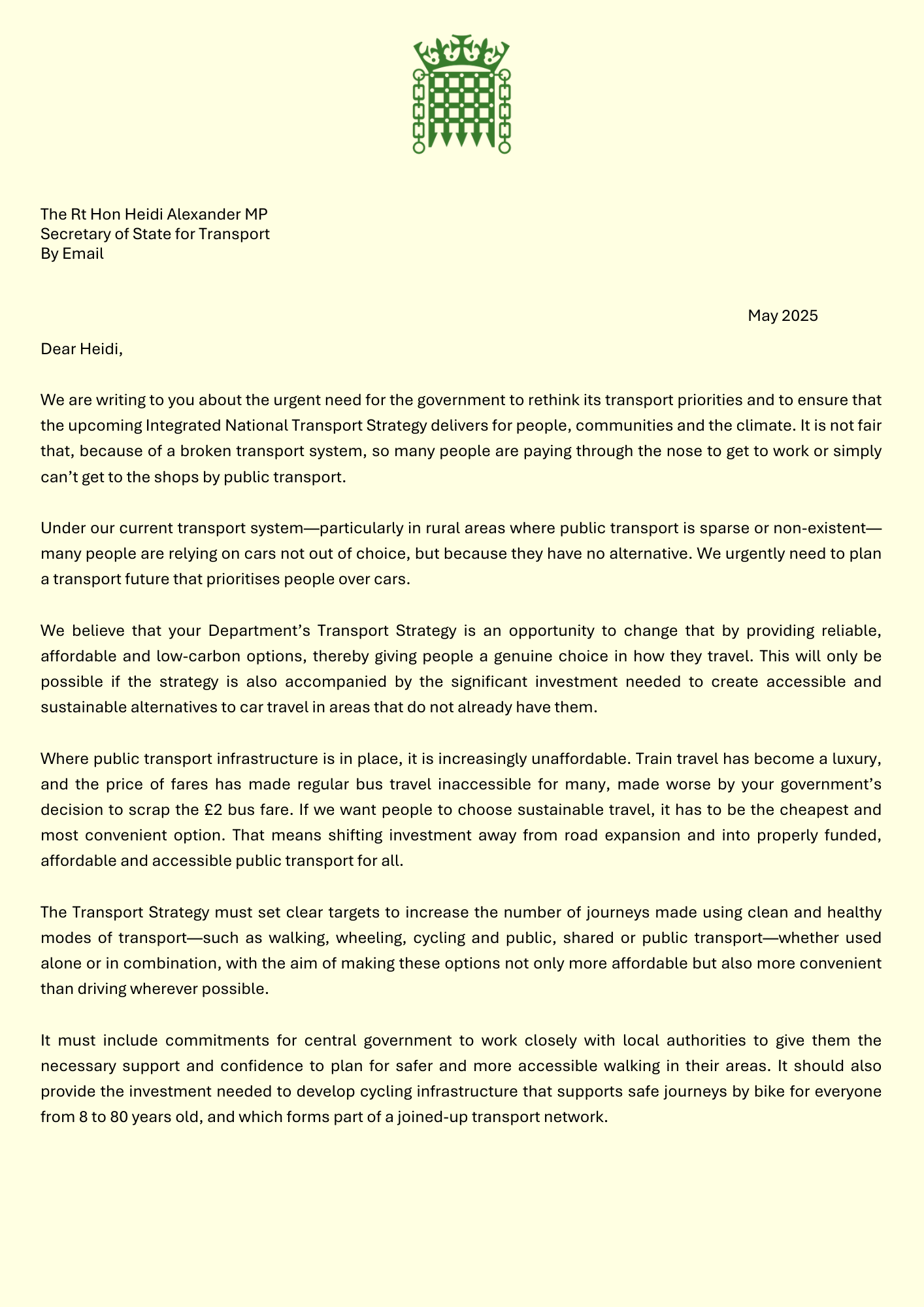
We are writing to you about the urgent need for the government to rethink its transport priorities and to ensure that the upcoming Integrated National Transport Strategy delivers for people, communities and the climate. It is not fair that, because of a broken transport system, so many people are paying through the nose to get to work or simply can’t get to the shops by public transport.
Under our current transport system—particularly in rural areas where public transport is sparse or non-existent—many people are relying on cars not out of choice, but because they have no alternative. We urgently need to plan a transport future that prioritises people over cars.
We believe that your Department’s Transport Strategy is an opportunity to change that by providing reliable, affordable and low-carbon options, thereby giving people a genuine choice in how they travel. This will only be possible if the strategy is also accompanied by the significant investment needed to create accessible and sustainable alternatives to car travel in areas that do not already have them.
Where public transport infrastructure is in place, it is increasingly unaffordable. Train travel has become a luxury, and the price of fares has made regular bus travel inaccessible for many, made worse by your government’s decision to scrap the £2 bus fare. If we want people to choose sustainable travel, it has to be the cheapest and most convenient option. That means shifting investment away from road expansion and into properly funded, affordable and accessible public transport for all.
The Transport Strategy must set clear targets to increase the number of journeys made using clean and healthy modes of transport—such as walking, wheeling, cycling and public, shared or public transport—whether used alone or in combination, with the aim of making these options not only more affordable but also more convenient than driving wherever possible.
It must include commitments for central government to work closely with local authorities to give them the necessary support and confidence to plan for safer and more accessible walking in their areas. It should also provide the investment needed to develop cycling infrastructure that supports safe journeys by bike for everyone from 8 to 80 years old, and which forms part of a joined-up transport network.
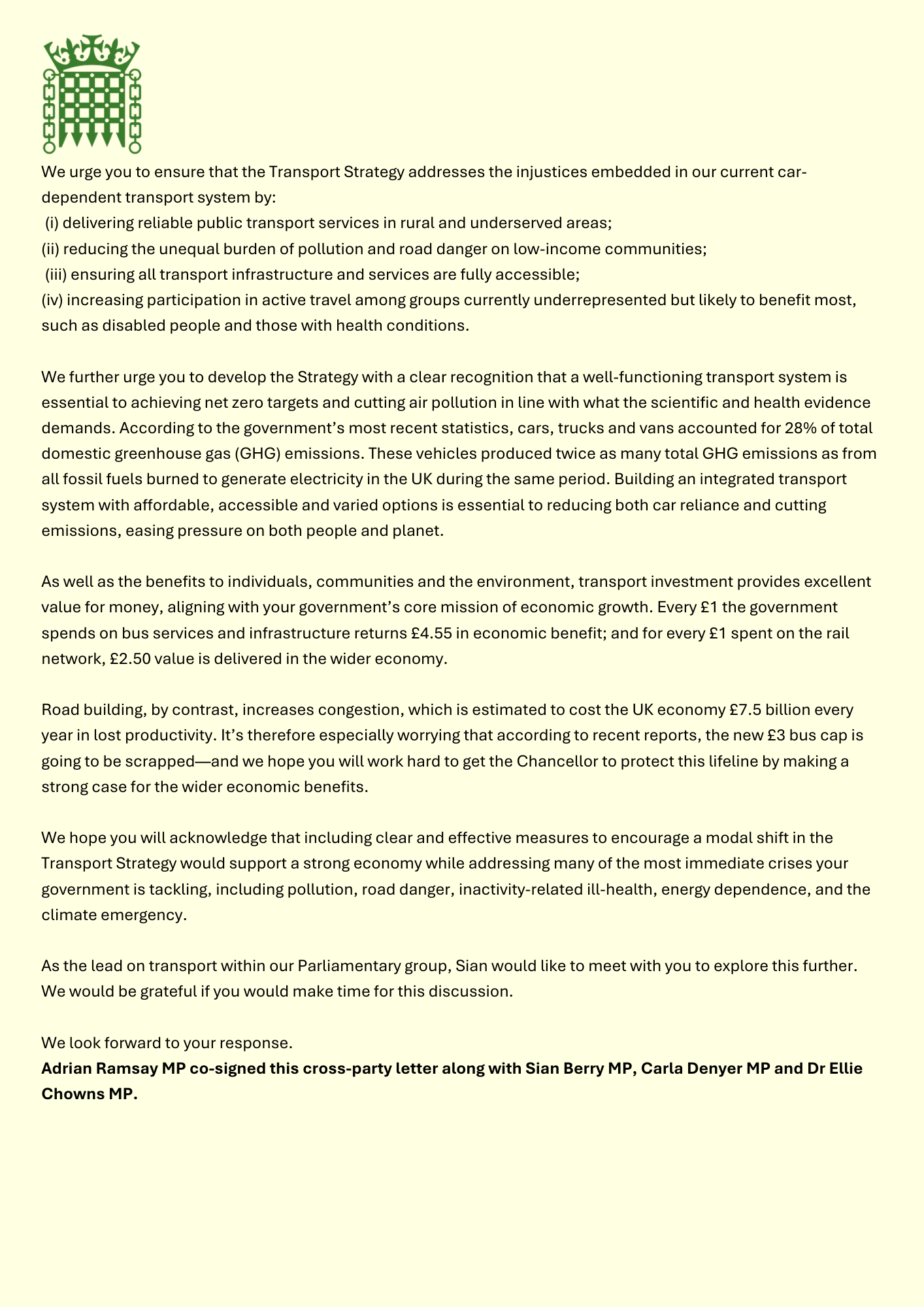
We urge you to ensure that the Transport Strategy addresses the injustices embedded in our current car-dependent transport system by:
(i) delivering reliable public transport services in rural and underserved areas;
(ii) reducing the unequal burden of pollution and road danger on low-income communities;
(iii) ensuring all transport infrastructure and services are fully accessible;
(iv) increasing participation in active travel among groups currently underrepresented but likely to benefit most, such as disabled people and those with health conditions.
We further urge you to develop the Strategy with a clear recognition that a well-functioning transport system is essential to achieving net zero targets and cutting air pollution in line with what the scientific and health evidence demands. According to the government’s most recent statistics, cars, trucks and vans accounted for 28% of total domestic greenhouse gas (GHG) emissions. These vehicles produced twice as many total GHG emissions as from all fossil fuels burned to generate electricity in the UK during the same period. Building an integrated transport system with affordable, accessible and varied options is essential to reducing both car reliance and cutting emissions, easing pressure on both people and planet.
As well as the benefits to individuals, communities and the environment, transport investment provides excellent value for money, aligning with your government’s core mission of economic growth. Every £1 the government spends on bus services and infrastructure returns £4.55 in economic benefit; and for every £1 spent on the rail network, £2.50 value is delivered in the wider economy.
Road building, by contrast, increases congestion, which is estimated to cost the UK economy £7.5 billion every year in lost productivity. It’s therefore especially worrying that according to recent reports, the new £3 bus cap is going to be scrapped—and we hope you will work hard to get the Chancellor to protect this lifeline by making a strong case for the wider economic benefits.
We hope you will acknowledge that including clear and effective measures to encourage a modal shift in the Transport Strategy would support a strong economy while addressing many of the most immediate crises your government is tackling, including pollution, road danger, inactivity-related ill-health, energy dependence, and the climate emergency.
As the lead on transport within our Parliamentary group, Sian would like to meet with you to explore this further. We would be grateful if you would make time for this discussion.
We look forward to your response.
Adrian Ramsay MP co-signed this cross-party letter along with Sian Berry MP, Carla Denyer MP and Dr Ellie Chowns MP.
Open letter to DEFRA Minister on issue of male chick cullingInbox
-
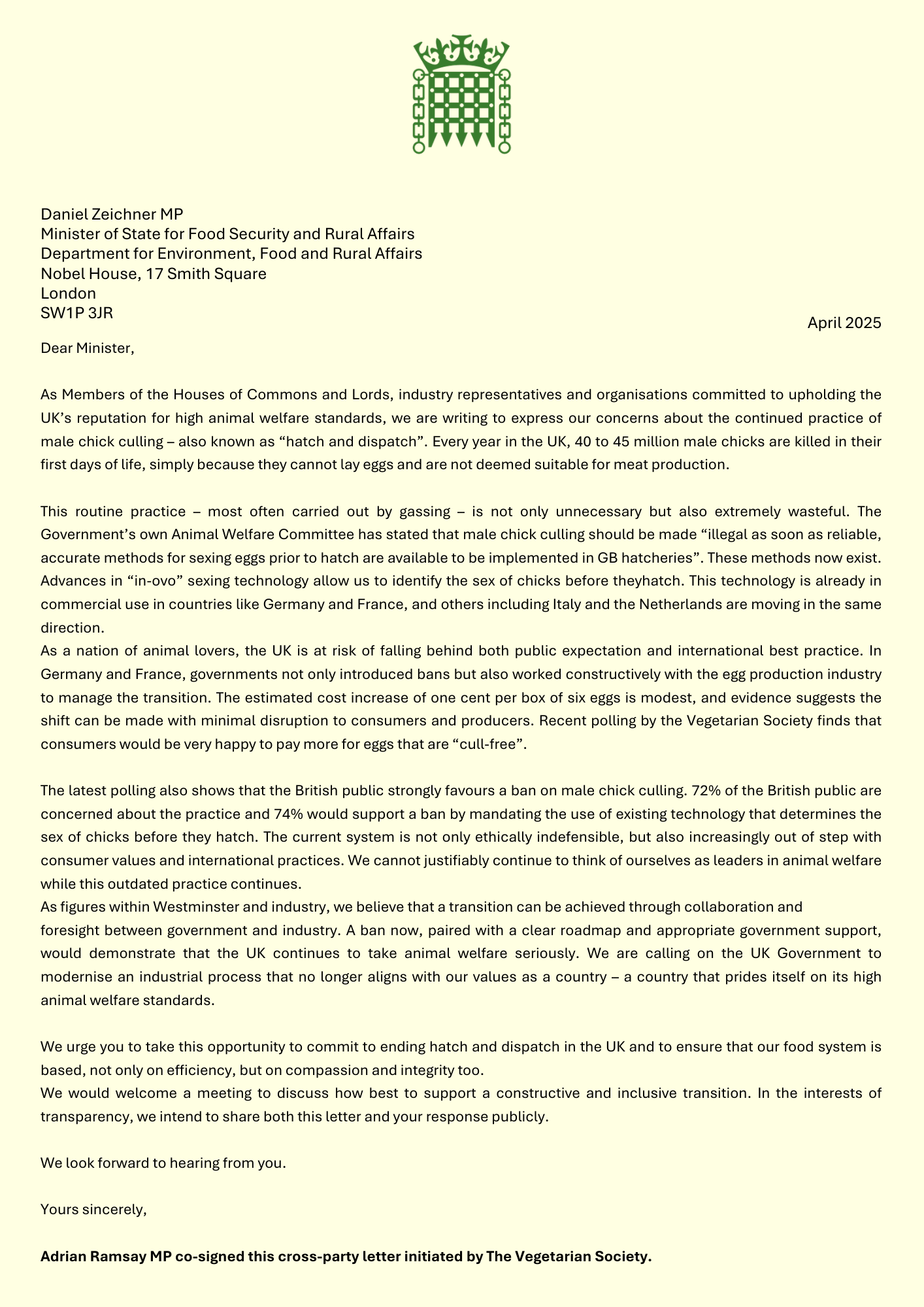
Adrian Ramsay MP co-signed this cross-party letter initiated by The Vegetarian Society.
Dear Minister,
As Members of the Houses of Commons and Lords, industry representatives and organisations committed to upholding the UK’s reputation for high animal welfare standards, we are writing to express our concerns about the continued practice of male chick culling – also known as “hatch and dispatch”. Every year in the UK, 40 to 45 million male chicks are killed in their first days of life, simply because they cannot lay eggs and are not deemed suitable for meat production.
This routine practice – most often carried out by gassing – is not only unnecessary but also extremely wasteful. The Government’s own Animal Welfare Committee has stated that male chick culling should be made “illegal as soon as reliable, accurate methods for sexing eggs prior to hatch are available to be implemented in GB hatcheries”. These methods now exist. Advances in “in-ovo” sexing technology allow us to identify the sex of chicks before theyhatch. This technology is already in commercial use in countries like Germany and France, and others including Italy and the Netherlands are moving in the same direction.
As a nation of animal lovers, the UK is at risk of falling behind both public expectation and international best practice. In Germany and France, governments not only introduced bans but also worked constructively with the egg production industry to manage the transition. The estimated cost increase of one cent per box of six eggs is modest, and evidence suggests the shift can be made with minimal disruption to consumers and producers. Recent polling by the Vegetarian Society finds that consumers would be very happy to pay more for eggs that are “cull-free”.
The latest polling also shows that the British public strongly favours a ban on male chick culling. 72% of the British public are concerned about the practice and 74% would support a ban by mandating the use of existing technology that determines the sex of chicks before they hatch. The current system is not only ethically indefensible, but also increasingly out of step with consumer values and international practices. We cannot justifiably continue to think of ourselves as leaders in animal welfare while this outdated practice continues.
As figures within Westminster and industry, we believe that a transition can be achieved through collaboration and
foresight between government and industry. A ban now, paired with a clear roadmap and appropriate government support, would demonstrate that the UK continues to take animal welfare seriously. We are calling on the UK Government to modernise an industrial process that no longer aligns with our values as a country – a country that prides itself on its high animal welfare standards.
We urge you to take this opportunity to commit to ending hatch and dispatch in the UK and to ensure that our food system is based, not only on efficiency, but on compassion and integrity too.
We would welcome a meeting to discuss how best to support a constructive and inclusive transition. In the interests of transparency, we intend to share both this letter and your response publicly.
We look forward to hearing from you.
Yours sincerely,
Adrian Ramsay MP co-signed this cross-party letter initiated by The Vegetarian Society.

"We are woefully unprepared for the impacts of climate breakdown"
30 April 2025.
Adrian Ramsay, MP for Waveney Valley and Co-leader of the Green Party of England and Wales said "We are woefully unprepared for the impacts of climate breakdown"
Reacting to the Climate Change Committee Adaptation Progress Report Adrian Ramsay MP said;
The Climate Change Committee report could not be clearer: We are woefully unprepared for the impacts of climate breakdown as a country.
I urge the Government to fully implement the Climate Change Committee’s recommendations and produce a comprehensive plan to prepare for increasingly extreme weather events.
I've called on the Chancellor to ensure that the spending review allows for an additional £7 billion per year in climate adaptation and resilience funding. This investment is critical to protecting vital public infrastructure and ensuring that essential services like transport, energy, and healthcare can continue to function as climate impacts intensify.
The CCC highlights that over half of England’s top-quality agricultural land is already at risk of flooding, jeopardising our food security. Meanwhile, a third of our railways are at risk from flooding and extreme heat; without serious investment, we risk widespread disruption and failure of services that people rely on daily. The Government must act now to future-proof the UK’s infrastructure and protect communities from the worsening impacts of the climate crisis.
Alongside decarbonising our economy to meet net-zero goals, the Government is responsible for protecting our communities from climate impacts. That means acting now.
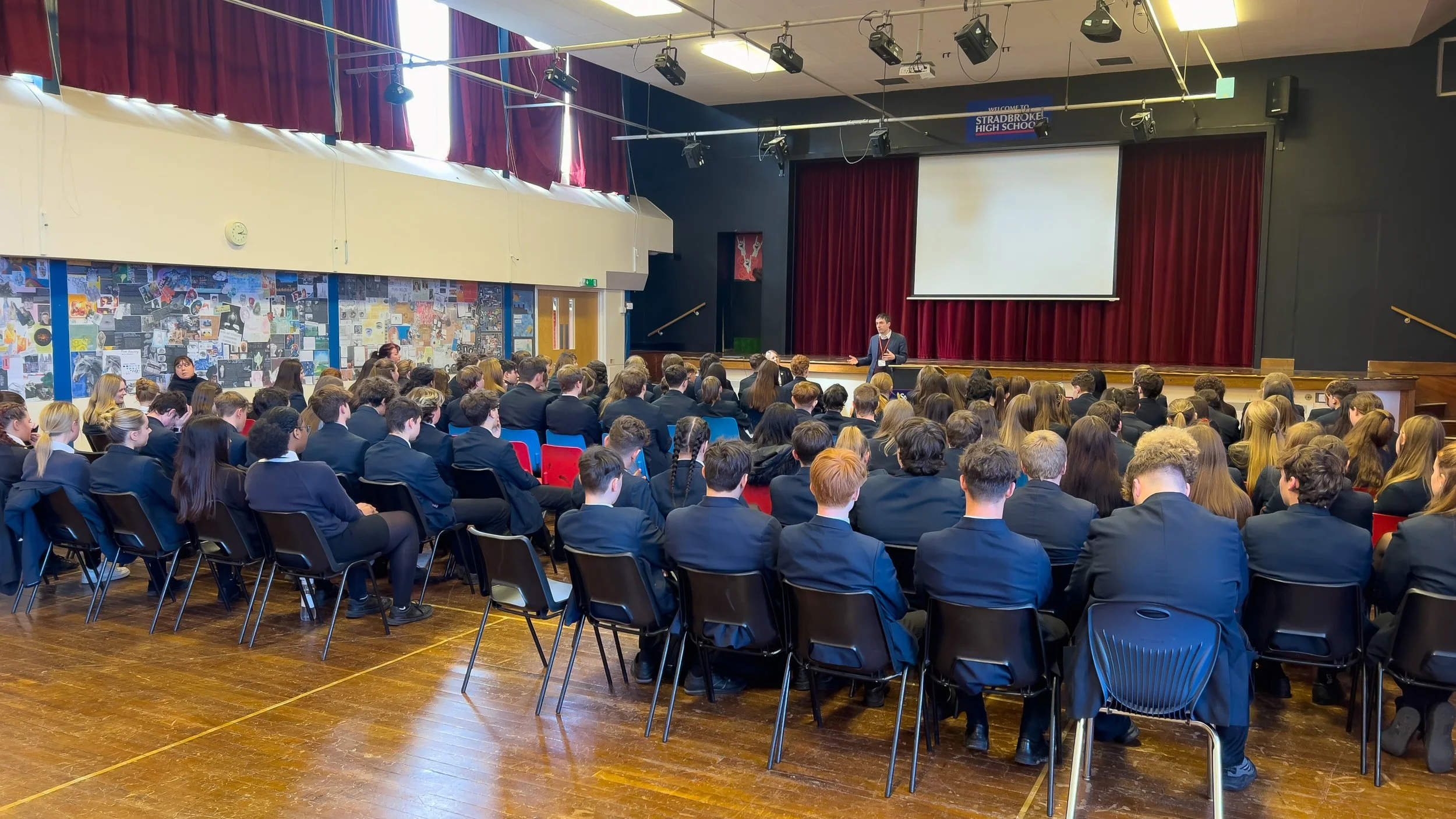
Adrian Ramsay, MP for Waveney Valley, Urges the Government to Increase Funding for Rural Schools.
Adrian Ramsay, MP for Waveney Valley, Urges the Government to Increase Funding for Rural Schools.
Adrian Ramsay MP has called on the Secretary of State for Education to urgently address the funding crisis affecting rural schools in Norfolk and Suffolk.
In a letter sent to the Secretary of State for Education, Adrian Ramsay MP highlighted the mounting challenges schools in the Waveney Valley face due to insufficient funding.
Waring that "Schools are struggling to maintain the same level of educational provision with reduced resources."
He continued, "While national pay rises for staff are to be welcomed, the fact that they have been only partly funded by the government is putting further pressure on school budgets, resulting in a reduced staffing model, larger class sizes, and diminished support for students. Schools are facing difficult decisions about staffing levels, redundancies, and service reductions, along with the concomitant impact on staff wellbeing and morale."
The letter also pointed to the deteriorating condition of school buildings, saying, "I am aware of one school which has a leaking science block roof. This has been a health and safety risk while negatively impacting lesson delivery and student morale."
ENDS
Call for review, update and consolidation of wildlife law
-
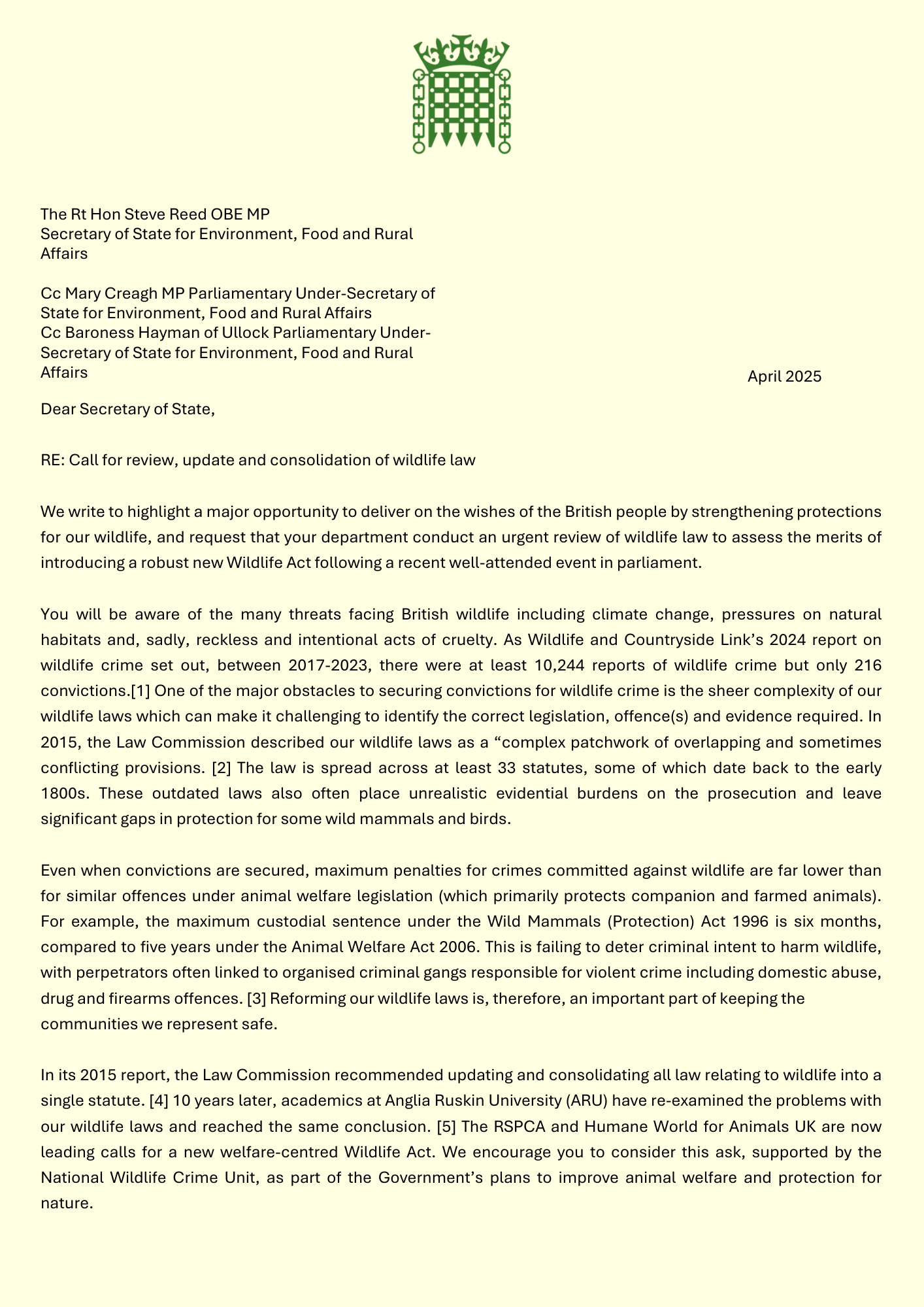
The Rt Hon Steve Reed OBE MP
Secretary of State for Environment, Food and Rural Affairs
Cc Mary Creagh MP
Parliamentary Under-Secretary of State for Environment, Food and Rural Affairs
Cc Baroness Hayman of Ullock
Parliamentary Under-Secretary of State for Environment, Food and Rural Affairs
Dear Secretary of State,
RE: Call for review, update and consolidation of wildlife law
We write to highlight a major opportunity to deliver on the wishes of the British people by
strengthening protections for our wildlife, and request that your department conduct an urgent
review of wildlife law to assess the merits of introducing a robust new Wildlife Act following a
recent well-attended event in parliament.
You will be aware of the many threats facing British wildlife including climate change, pressures
on natural habitats and, sadly, reckless and intentional acts of cruelty. As Wildlife and
Countryside Link’s 2024 report on wildlife crime set out, between 2017-2023, there were at least
10,244 reports of wildlife crime but only 216 convictions.[1] One of the major obstacles to
securing convictions for wildlife crime is the sheer complexity of our wildlife laws which can
make it challenging to identify the correct legislation, offence(s) and evidence required. In 2015,
the Law Commission described our wildlife laws as a “complex patchwork of overlapping and
sometimes conflicting provisions. [2] The law is spread across at least 33 statutes, some of which
date back to the early 1800s. These outdated laws also often place unrealistic evidential
burdens on the prosecution and leave significant gaps in protection for some wild mammals and
birds.
Even when convictions are secured, maximum penalties for crimes committed against wildlife
are far lower than for similar offences under animal welfare legislation (which primarily protects
companion and farmed animals). For example, the maximum custodial sentence under the Wild
Mammals (Protection) Act 1996 is six months, compared to five years under the Animal Welfare
Act 2006. This is failing to deter criminal intent to harm wildlife, with perpetrators often linked to
organised criminal gangs responsible for violent crime including domestic abuse, drug and
firearms offences. [3] Reforming our wildlife laws is, therefore, an important part of keeping the
communities we represent safe.
In its 2015 report, the Law Commission recommended updating and consolidating all law
relating to wildlife into a single statute. [4] 10 years later, academics at Anglia Ruskin University
(ARU) have re-examined the problems with our wildlife laws and reached the same
conclusion. [5] The RSPCA and Humane World for Animals UK are now leading calls for a new
welfare-centred Wildlife Act. We encourage you to consider this ask, supported by the National
Wildlife Crime Unit, as part of the Government’s plans to improve animal welfare and protection
for nature.
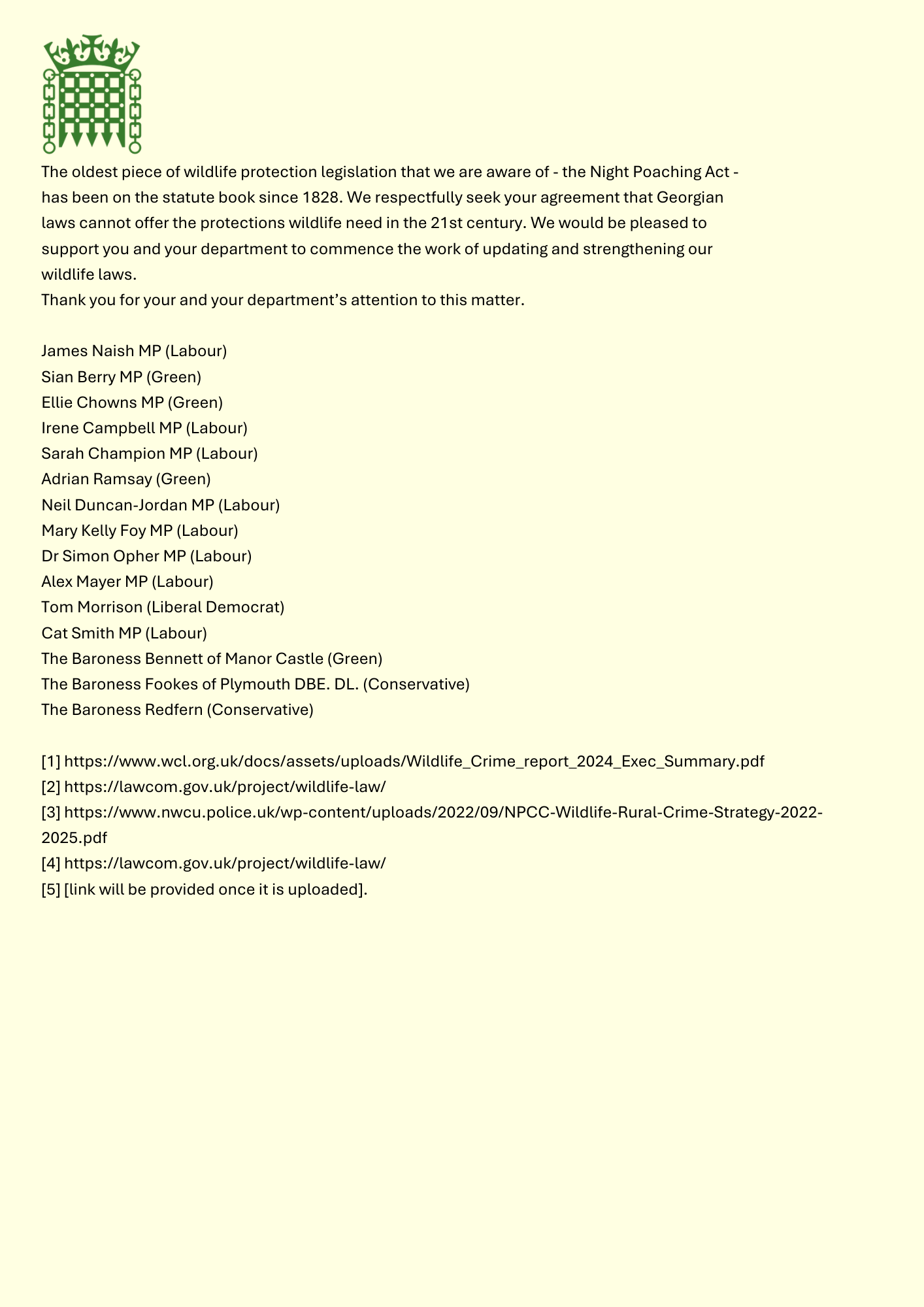
The oldest piece of wildlife protection legislation that we are aware of - the Night Poaching Act -
has been on the statute book since 1828. We respectfully seek your agreement that Georgian
laws cannot offer the protections wildlife need in the 21st century. We would be pleased to
support you and your department to commence the work of updating and strengthening our
wildlife laws.
Thank you for your and your department’s attention to this matter.
James Naish MP (Labour)
Sian Berry MP (Green)
Ellie Chowns MP (Green)
Irene Campbell MP (Labour)
Sarah Champion MP (Labour)
Adrian Ramsay (Green)
Neil Duncan-Jordan MP (Labour)
Mary Kelly Foy MP (Labour)
Dr Simon Opher MP (Labour)
Alex Mayer MP (Labour)
Tom Morrison (Liberal Democrat)
Cat Smith MP (Labour)
The Baroness Bennett of Manor Castle (Green)
The Baroness Fookes of Plymouth DBE. DL. (Conservative)
The Baroness Redfern (Conservative)
[1] https://www.wcl.org.uk/docs/assets/uploads/Wildlife_Crime_report_2024_Exec_Summary.pdf
[2] https://lawcom.gov.uk/project/wildlife-law/
[3] https://www.nwcu.police.uk/wp-content/uploads/2022/09/NPCC-Wildlife-Rural-Crime-Strategy-2022-
2025.pdf
[4] https://lawcom.gov.uk/project/wildlife-law/
[5] [link will be provided once it is uploaded].
Letter to the Secretary of State for Education on school funding
-
The Right Honourable Bridget Phillipson MP
Secretary of State for Education
Department for Education
Sanctuary Buildings
Great Smith Street
London
SW1P 3BTOur Ref: AR03094
23 April 2025
Dear Secretary of State,
I am writing to express my concerns about the inadequate level of funding available for schools in my constituency. I request that the Government explores options to increase that funding and to ensure that pupils in my constituency are able to access the education that they need and deserve. I would particularly like to highlight the following issues which are particularly affecting rural schools in Norfolk and Suffolk.
Real-Term Budget Reductions:
Ongoing economic challenges and rising inflation have increased operational costs, while funding has not kept pace. Schools are struggling to maintain the same level of educational provision with reduced resources. While national pay rises for staff are to be welcomed, the fact that they have been only partly funded by government is putting further pressure on school budgets, resulting in a reduced staffing model, larger class sizes, and diminished support for students. Schools are facing difficult decisionsabout staffing levels, redundancies, and service reductions along with the concomitant impact on staff wellbeing and morale.
Lack of Capital Spending on Physical Infrastructure:
School buildings are increasingly difficult to maintain as they age. They require substantial maintenance and repair, but there is insufficient capital investment to address these needs. I am aware of one school which has a leaking science block roof. This has been a health and safety risk while negatively impacting lesson delivery and student morale. Additionally, rising energy costs are placing further strain on school budgets and aging heating systems are leaving pupils cold during some lessons. Adequate funding for critical maintenance and repairs is essential to ensure that students can learn in a safe, secure, and comfortable environment.
Insufficient SEND funding:
Schools have seen a significant rise in the number of students with special educational needs, but the funding allocated for SEND support has not kept pace with the growing demand. This shortfall hinders the ability of a school to provide appropriate staffing, resources, and specialized interventions. Without sufficient funding, schools in rural areas like the Waveney Valley struggle to secure the expertise and support that every child with SEND deserves.
Reduction of Support Services and Increased Waiting Times:
Vulnerable students requiring support services such as CAMHS and SEN assessments are facing extended waiting times, negatively impacting their education and well-being. Meanwhile, the number of students requiring Education, Health, and Care Plans (EHCPs) has risen, but funding for SEND support has not increased accordingly. Local authorities are struggling to meet their statutory obligations, leaving schools to supplement inadequate SEND funding from their core budgets, which is simply not sustainable. While the focus is rightly on supporting children to be in mainstream schools as far as possible, this situation is compounded by a lack of alternative provision for those students for whom the traditional classroom environment is not beneficial.
In summary, schools in Waveney Valley need increased capital funding to repair and upgrade their aging buildings, additional SEND funding and specialized support services so that all learners, regardless of their needs, have fair access to education, and improved alternative provision. Meanwhile, core budgets for staffing and operational costs need to be protected to ensure that the basic needs of pupils can be met.
I hope you will consider these points carefully and expand funding for rural schools.
Yours sincerely,
Adrian Ramsay MP
Member of Parliament for Waveney Valley
Calling for the UK Government to support a United Nations Convention on the Rights of Older Persons
-
Dear Secretary of State for Foreign, Commonwealth and Development Affairs,
We, the undersigned, are writing to express our support for the creation of a new United Nations Convention on the Rights of Older Persons, and to call on you to offer your support as well.
As you may be aware, the need for strengthening the protection of the rights of older persons has been agreed by UN Member States, UN Agencies, National Human Rights Institutions, civil society organisations, experts, and importantly, older persons themselves. The UN Open-Ended Working Group on Ageing agreed by consensus, after 14 years of evidence gathering, that gaps in the protections of older persons’ rights exist internationally, and that an internationally binding human rights instrument should be among the responses to those gaps. You may also be aware that this understanding was further reinforced by a UN General Assembly Resolution in August 2024 that accepted the Open-Ended Working Group on Ageing’s decision by consensus and invited other bodies of the UN to consider and act upon its findings.
As a result of this, it is now anticipated that a resolution will be put to the 58th Session of the Human Rights Council (expected to take place February – March 2025) to agree a process for drafting the contents of a Convention on the Rights of Older Persons.
Therefore, in your capacity as Secretary of State for Foreign, Commonwealth and Development Affairs, we would like to ask you to support this internationally agreed treaty. Establishing a global minimum standard of legal protections for older people is essential to ensuring the rights of older people are protected. While many Member States may already have domestic legal protections in place for the rights of older people that exceed those set forth in this Convention, their role in providing universality and clarity cannot be ignored. It is therefore our belief that the United Kingdom should be forthcoming and enthusiastic in our support for a new United Nations Convention on the Rights of Older Persons.
We have much to be proud of in the United Kingdom when it comes to respecting and protecting older persons, from institutions such as the NHS, which offers comprehensive care from cradle to grave, to our state pension system. Indeed, it is a point of pride for many in the UK that if one has worked their life, then as they age, they can expect to enjoy security in their older years. As a nation that upholds these values and institutions, it is only right that we offer our support to this new United Nations Convention on the Rights of Older Persons. To that end, we urge you to support this convention.
We look forward to your response.
Yours sincerely,
Adrian Ramsay MP co-signed this cross-party letter initiated by Blair McDougall MP.
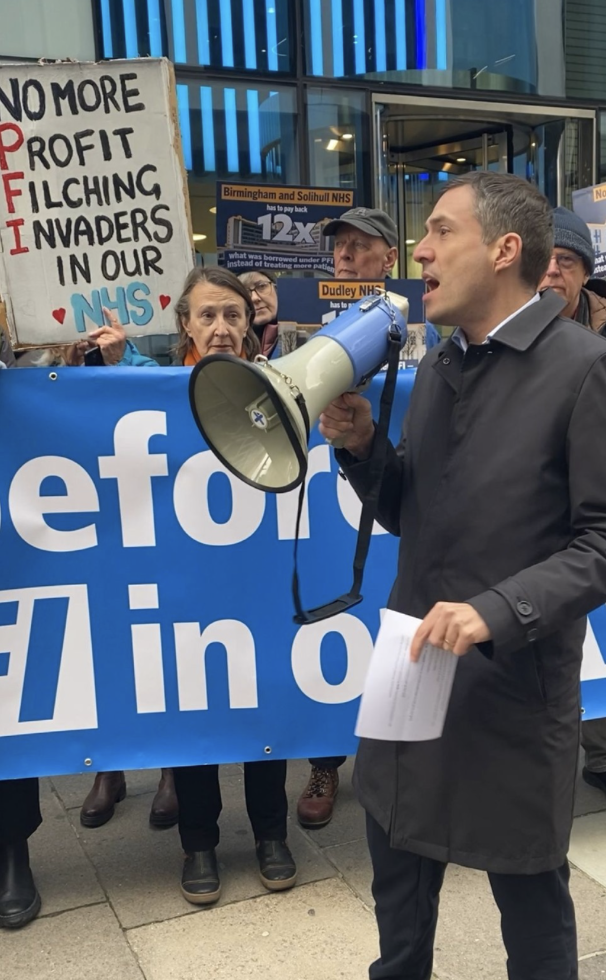
Secretary of State for Health and Social Care refuses to commit that there will not be cuts in frontline services
13th of March 2025
Secretary of State for Health and Social Care refuses to commit that there will not be cuts in frontline services
Today Adrian Ramsay, Co-Leader of the Green Party of England and Wales and MP for Waveney Valley, asked the government to reassure the House that concerning media reports in the last week—suggesting plans for £7 billion of cuts to services and for ICBs to be asked to cut costs by 50%—will not result in cuts to frontline services.
Adrian Ramsay MP said:
“We currently have a situation where patients are being treated in corridors, staff are severely overstretched, and too many people can't get access to a GP and dentist when they need one.
So it's in that context that I read with concern in the media in the last week plans for there to be £7 billion of cuts to services, for ICBs to be asked to cut costs by 50%. So can the Secretary of State give us reassurance that as we go into the new financial year, we won't see cuts to frontline services? When I meet with the Chief Executive of local ICB next week, will I hear that there are cuts to frontline services being considered as a result of government budgets?”
In response, the Secretary of State said:
“I think the reports relate to the deficits that have been sent into NHS England ahead of the 2025-26 financial year. These are completely unaffordable for the NHS and completely unrealistic. Those are the financial plans that are being revised as we speak, which is why leaders have been gathered in London today to receive that message and a set of instructions. I am asking frontline leaders to improve services and reform ways of working. They will have my support in doing that.”
Speaking after his intervention, Adrian Ramsay said:
“I am hugely concerned by the non-committal answer to my question. I know that many people are deeply worried about the prospect of cuts to frontline services when the NHS frontline is already severely overstretched. I again ask the Secretary of State to assure me, my constituents, and the country that there will be no cuts to frontline services next year. I look forward to his reply.”
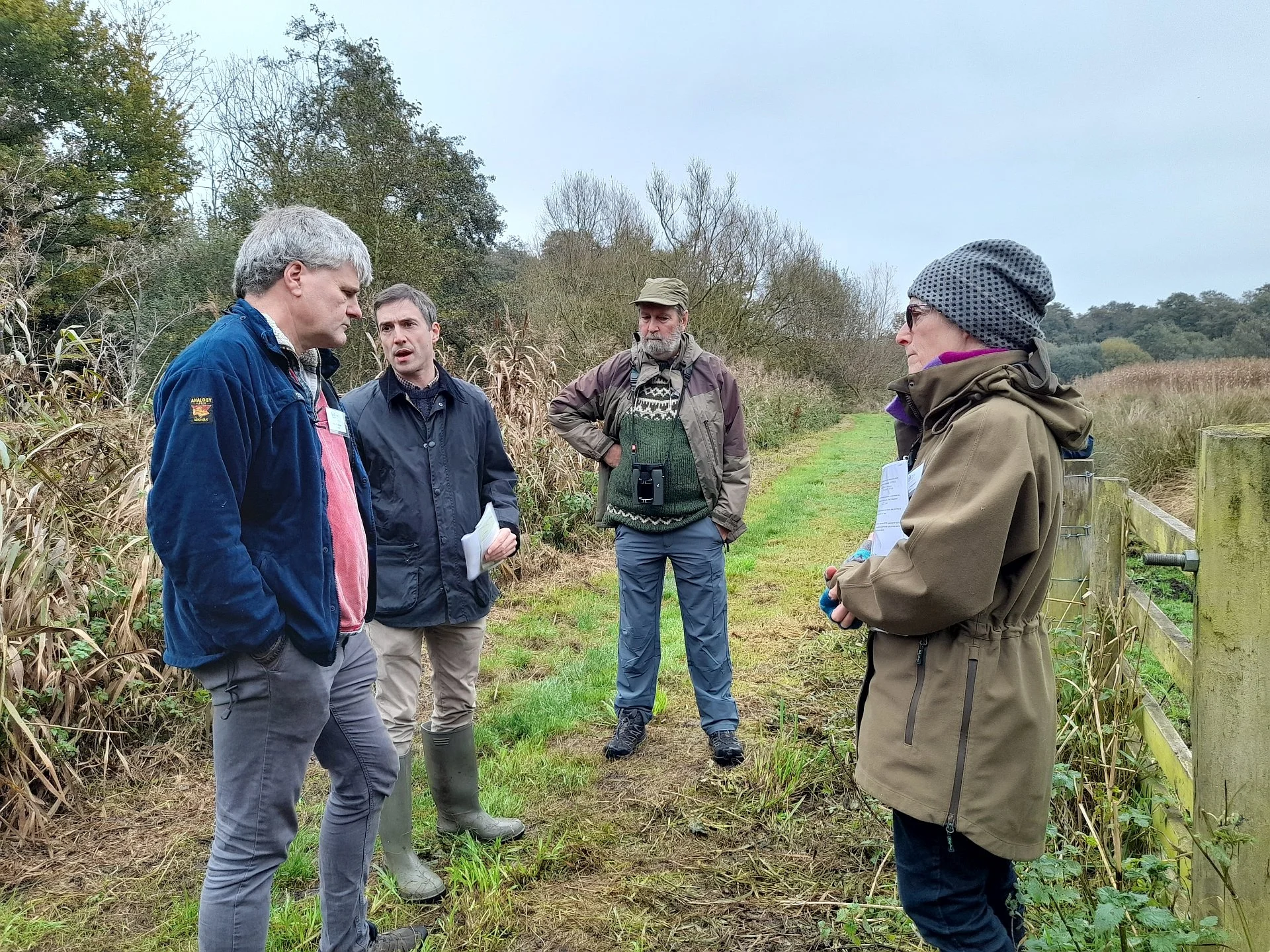
Green MP urges Government funding for trailblazing flood management project
12 March 2025
Adrian Ramsay, Green MP for Waveney Valley and Green Party Co-Leader, has called a flood management project in his constituency a national trailblazer and urged the Government to maintain its support for the Waveney and Little Ouse Recovery project, in order to protect nature and alleviate the risk of flooding in towns in his constituency.
Adrian Ramsay has written to the Minister of State at the Department for the Environment, Food and Rural Affairs (Defra), Daniel Zeichner, following a visit by the minister to the area earlier this year. The Waveney Valley MP said Defra support was vital to the success of the project which is run by Suffolk Wildlife Trust working with the Environment Agency, local farmers and landowners.
Defra’s support for the initial phase of the project, funded through the Landscape Recovery pilot programme, had enabled the Trust and its partners to build a financial model to pay for the delivery of nature-based solutions to the challenges brought about by climate change.
Adrian Ramsay said the cost-benefits of the Waveney and Little Ouse Recovery Project were clear and had huge potential to avert flooding in vulnerable local communities - a growing problem locally.
He said: “The project has the capacity to protect the market towns of Diss and Bungay in my constituency as well as nearby towns such as Beccles and Thetford which are also vulnerable to flooding. The financial savings would be substantial, not to mention the benefit to local residents whose homes were kept safe from flooding.”
He said the project also provided an important template for how private investors could help the UK achieve its net zero and nature recovery targets by supplementing public funding for environmental delivery.
The project is reaching the end of its development phase and Suffolk Wildlife Trust wants an extension of Defra’s support to cover upfront investment and ongoing maintenance costs. It is seeking private investment to match any funds from Defra and hopes that the income from the sale of ecosystem services will pay for the project in the long term.
Ramsay added: “I hope that Defra will support this and other nature recovery projects by providing adequate funding. I know this project offers good value for money and will also provide many additional benefits for nature restoration and tackling climate change.”
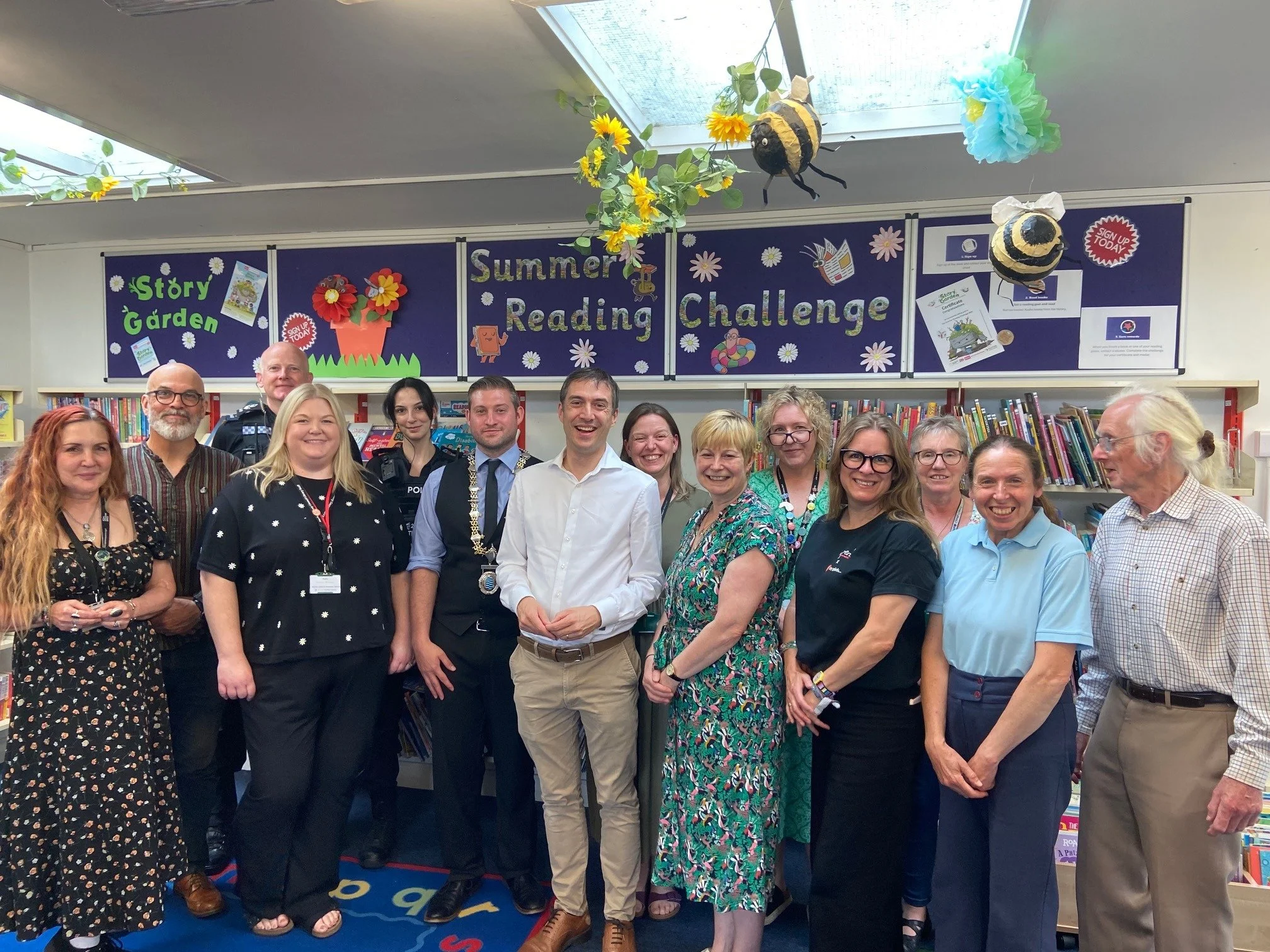
Adrian Ramsay, MP for Waveney Valley calls on the Leader of Suffolk County Council to work in good faith with Suffolk Libraries.
11h of March 2025
Adrian Ramsay, MP for Waveney Valley and Co-Leader of the Green Party of England and Wales, calls on the Leader of Suffolk County Council to work in good faith with Suffolk Libraries.
In a letter to Cllr Matthew Hicks - Conservative Leader of Suffolk County Council, Adrian Ramsay MP expressed serious concerns over the future of Suffolk’s library services following Suffolk County Council’s recent announcement to end Suffolk Libraries' contract with the council and bring the service back in-house.
Suffolk Libraries, an independent charity, has successfully operated the county’s library services for the past twelve years, keeping facilities open and expanding their services while nationally there have been nearly a thousand library closures since 2010. (source, source)
In the letter to Cllr Hicks, Adrian said, “Libraries are more than just book-lending spaces; they are vital community hubs." He continued, “Suffolk Libraries has provided award-winning services, including children’s activities and health and wellbeing initiatives, which residents cherish. Any decisions about their future must be made openly and in consultation with the communities that rely on them.”
Adrian highlighted that Suffolk Libraries has demonstrated strong financial governance and value for money while delivering essential services. The letter urges Cllr Hicks to work in good faith with Suffolk Libraries. In closing, he said, “I urge Suffolk County Council to work collaboratively with Suffolk Libraries to ensure this essential service's secure and sustainable future. “
ENDS
Safer Screens Letter

-
Adrian Ramsay MP co-signed this cross-party letter initiated by Dr Simon Opher MP and Health Professionals for Safer Screens.
Professor Sir Chris Whitty
Sir Frank Atherton
Professor Sir Gregor Smith
Professor Sir Michael McBride
Dear United Kingdom Chief Medical Officers,
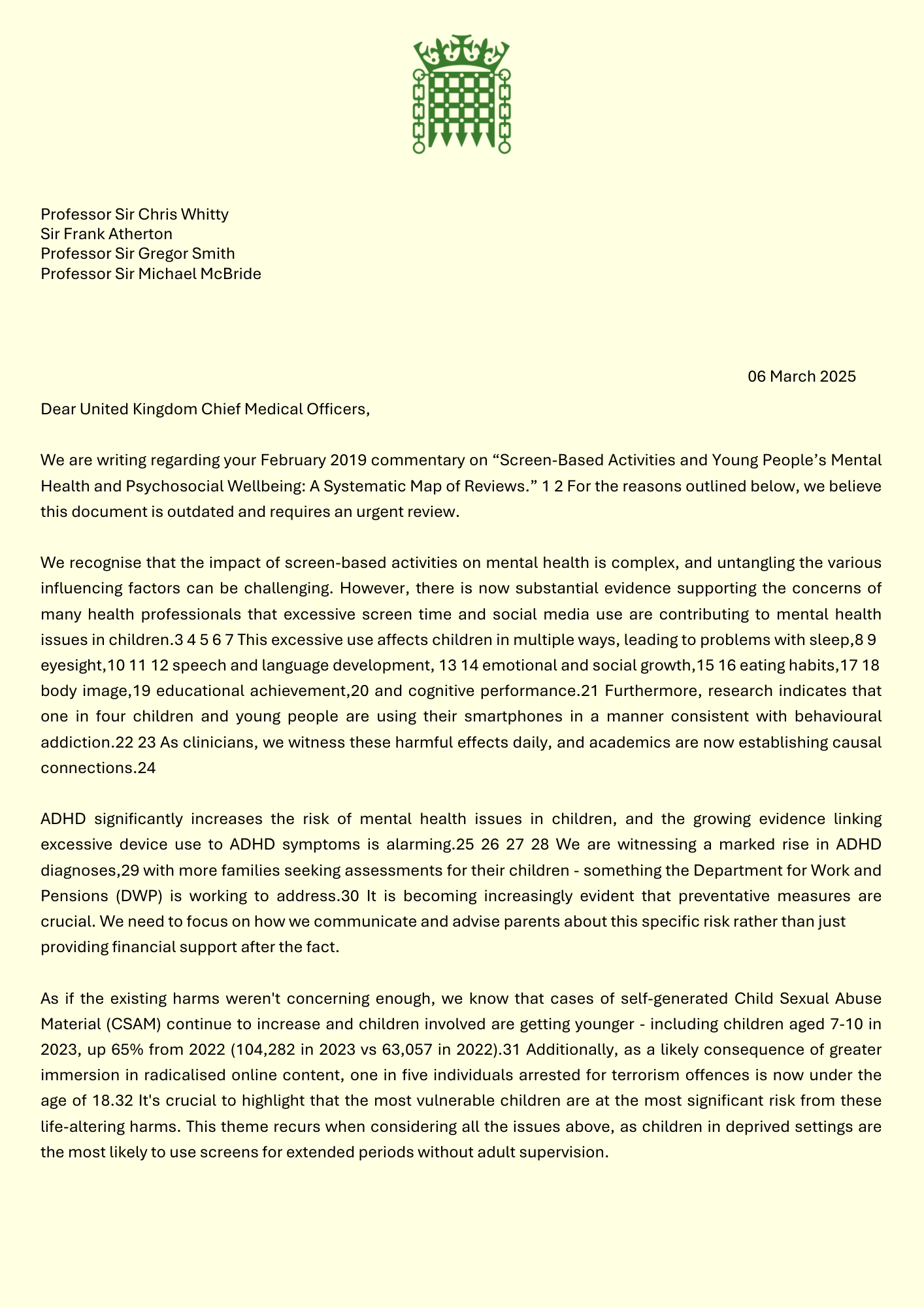
We are writing regarding your February 2019 commentary on “Screen-Based Activities and Young People’s Mental Health and Psychosocial Wellbeing: A Systematic Map of Reviews.” 1 2 For the reasons outlined below, we believe this document is outdated and requires an urgent review.
We recognise that the impact of screen-based activities on mental health is complex, and untangling the various influencing factors can be challenging. However, there is now substantial evidence supporting the concerns of many health professionals that excessive screen time and social media use are contributing to mental health issues in children.3 4 5 6 7 This excessive use affects children in multiple ways, leading to problems with sleep,8 9 eyesight,10 11 12 speech and language development, 13 14 emotional and social growth,15 16 eating habits,17 18 body image,19 educational achievement,20 and cognitive performance.21 Furthermore, research indicates that one in four children and young people are using their smartphones in a manner consistent with behavioural addiction.22 23 As clinicians, we witness these harmful effects daily, and academics are now establishing causal connections.24
ADHD significantly increases the risk of mental health issues in children, and the growing evidence linking excessive device use to ADHD symptoms is alarming.25 26 27 28 We are witnessing a marked rise in ADHD diagnoses,29 with more families seeking assessments for their children - something the Department for Work and Pensions (DWP) is working to address.30 It is becoming increasingly evident that preventative measures are crucial. We need to focus on how we communicate and advise parents about this specific risk rather than just providing financial support after the fact.
As if the existing harms weren't concerning enough, we know that cases of self-generated Child Sexual Abuse Material (CSAM) continue to increase and children involved are getting younger - including children aged 7-10 in 2023, up 65% from 2022 (104,282 in 2023 vs 63,057 in 2022).31 Additionally, as a likely consequence of greater immersion in radicalised online content, one in five individuals arrested for terrorism offences is now under the age of 18.32 It's crucial to highlight that the most vulnerable children are at the most significant risk from these life altering harms. This theme recurs when considering all the issues above, as children in deprived settings are the most likely to use screens for extended periods without adult supervision.
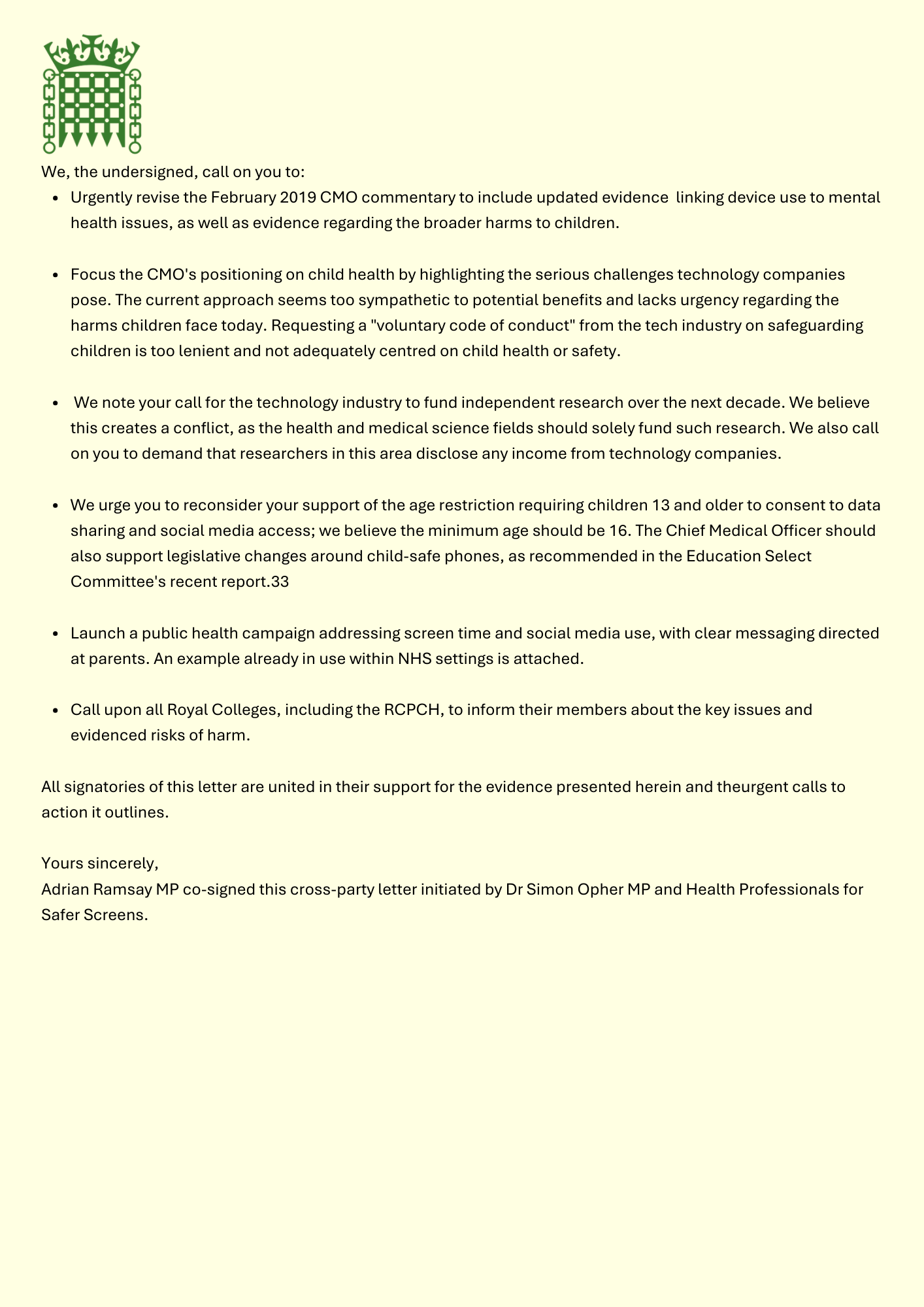
We, the undersigned, call on you to:
● Urgently revise the February 2019 CMO commentary to include updated evidence linking device use to mental health issues, as well as evidence regarding the broader harms to children.
● Focus the CMO's positioning on child health by highlighting the serious challenges technology companies pose. The current approach seems too sympathetic to potential benefits and lacks urgency regarding the harms children face today. Requesting a "voluntary code of conduct" from the tech industry on safeguarding children is too lenient and not adequately centred on child health or safety.
● We note your call for the technology industry to fund independent research over the next decade. We believe this creates a conflict, as the health and medical science fields should solely fund such research. We also call on you to demand that researchers in this area disclose any income from technology companies.
● We urge you to reconsider your support of the age restriction requiring children 13 and older to consent to data sharing and social media access; we believe the minimum age should be 16. The Chief Medical Officer should also support legislative changes around child-safe phones, as recommended in the Education Select Committee's recent report.33
● Launch a public health campaign addressing screen time and social media use, with clear messaging directed at parents. An example already in use within NHS settings is attached.
● Call upon all Royal Colleges, including the RCPCH, to inform their members about the key issues and evidenced risks of harm.
All signatories of this letter are united in their support for the evidence presented herein and the urgent calls to action it outlines.
Yours sincerely
1 United Kingdom Chief Medical Officers’ commentary on ‘Screen-based activities and children and young people’s mental health and psychosocial wellbeing: a systematic map of reviews'. (2019). Retrieved from
https://assets.publishing.service.gov.uk/media/5c5b1510e5274a316cee5be8/UK_CMO_commentary_o n_screentime_and_social_media_map_of_reviews.pdf
2There has been a great deal more compelling evidence since the research that the 2019 commentary above was based on: Dickson K, Richardson M, Kwan I, MacDowall W, Burchett H, Stansfield C, Brunton G, Sutcliffe K, Thomas J (2018) Screen-based activities and children and young people’s mental health: A
Systematic Map of Reviews, London: EPPI Centre, Social Science Research Unit, UCL Institute of Education, University College London.
3 C, F., A, L., J, S., GL, W., V, B., & M, A. (02/24/2023). Is adolescent internet use a risk factor for the development of depression symptoms or vice-versa? - PubMed. Psychological medicine, 53(14). https://doi.org/10.1017/S0033291723000284
4Tiraboschi, G. A., Garon-Carrier, G., Smith, J., & Fitzpatrick, C. (2023/12/01). Adolescent internet use predicts higher levels of generalized and social anxiety symptoms for girls but not boys. Preventive Medicine Reports, 36. https://doi.org/10.1016/j.pmedr.2023.102471
5 Carter, B., Payne, M., Rees, P., Sohn, S. Y., Brown, J., & Kalk, N. J. (2024). A multi-school study in England, to assess problematic smartphone usage and anxiety and depression. Acta Paediatr, 113(10), 2240-2248. https://doi.org/10.1111/apa.17317
6 Carter, B., Ahmed, N., Cassidy, O., Pearson, O., Calcia, M., Mackie, C., & Kalk, N. J. (2024-01-01). ‘There’s more to life than staring at a small screen’: a mixed methods cohort study of problematic smartphone use and the relationship to anxiety, depression and sleep in students aged 13–16 years old in the UK. BMJ Ment Health, 27(1). https://doi.org/10.1136/bmjment-2024-301115 7 Kalk, N. J., Downs, J., Clark, B., & Carter, B. (2024). Problematic smartphone use: What can teenagers and parents do to reduce use? Acta Paediatr, 113(10), 2177-2179. https://doi.org/10.1111/apa.17365 8 AA, W., & L, H. (10/21/2024). Future Directions for Screen Time Interventions for Sleep - PubMed. JAMA Pediatrics. https://doi.org/10.1001/jamapediatrics.2024.4009
9Carter, B., Rees, P., Hale, L., Bhattacharjee, D., & Paradkar, M. S. (2016/12/01). Use of Screen-Based Media Devices and Sleep Outcomes. JAMA Pediatrics, 170(12).
https://doi.org/10.1001/jamapediatrics.2016.2341
10 Foreman, J., Salim, A. T., Praveen, A., Fonseka, D., Ting, D. S. W., He, M. G., Bourne, R. R. A., Crowston, J., Wong, T. Y., & Dirani, M. (2021/12/01). Association between digital smart device use and myopia: a systematic review and meta-analysis. The Lancet Digital Health, 3(12). https://doi.org/10.1016/S2589- 7500(21)00135-7
11 Liang, J., Pu, Y., Chen, J., Liu, M., Ouyang, B., Jin, Z., Ge, W., Wu, Z., Yang, X., Qin, C., Wang, C., Huang, S., Jiang, N., Hu, L., Zhang, Y., Gui, Z., Pu, X., Huang, S., & Chen, Y. (2024-09-24). Global prevalence, trend and projection of myopia in children and adolescents from 1990 to 2050: a comprehensive systematic review and meta-analysis. British Journal of Ophthalmology. https://doi.org/10.1136/bjo 2024-325427
12 Screen time linked to risk of myopia in young people. (2021, 7/10/2021).
https://www.aru.ac.uk/news/screen-time-linked-to-risk-of-myopia-in-young-people 13 Brushe, M. E., Haag, D. G., Melhuish, E. C., Reilly, S., & Gregory, T. (2024 Mar 4). Screen Time and Parent-Child Talk When Children Are Aged 12 to 36 Months. JAMA Pediatrics, 178(4). https://doi.org/10.1001/jamapediatrics.2023.6790
14 Takahashi, I., Obara, T., Ishikuro, M., Murakami, K., Ueno, F., Noda, A., Onuma, T., Shinoda, G., Nishimura, T., Tsuchiya, K. J., & Kuriyama, S. (2023). Screen Time at Age 1 Year and Communication and Problem-Solving Developmental Delay at 2 and 4 Years. JAMA Pediatr, 177(10), 1039-1046. https://doi.org/10.1001/jamapediatrics.2023.3057
15 C, F., PM, P., A, L., E, H., FA, R., & G, G.-C. (10/01/2024). Early-Childhood Tablet Use and Outbursts of Anger - PubMed. JAMA Pediatrics, 178(10). https://doi.org/10.1001/jamapediatrics.2024.2511 16 Konok, V., Binet, M. A., Korom, Á., Pogány, Á., Miklósi, Á., & Fitzpatrick, C. (2024). Cure for tantrums? Longitudinal associations between parental digital emotion regulation and children's self-regulatory skills. Frontiers in Child and Adolescent Psychiatry, 3. https://doi.org/10.3389/frcha.2024.1276154 17 J, C., KT, G., A, T., AAA, A.-S., DB, J., RF, R., J, H., FC, B., & JM, N. (09/04/2024). Screen time, problematic screen use, and eating disorder symptoms among early adolescents: findings from the Adolescent Brain Cognitive Development (ABCD) Study - PubMed. Eating and weight disorders : EWD, 29(1). https://doi.org/10.1007/s40519-024-01685-1
18 Robinson, T. N., Banda, J. A., Hale, L., Lu, A. S., Fleming-Milici, F., Calvert, S. L., & Wartella, E. (2017/11/01). Screen Media Exposure and Obesity in Children and Adolescents. Pediatrics, 140(Supplement_2). https://doi.org/10.1542/peds.2016-1758K
19 Dane, A., & Bhatia, K. (22 Mar 2023). The social media diet: A scoping review to investigate the association between social media, body image and eating disorders amongst young people. PLOS Global Public Health, 3(3). https://doi.org/10.1371/journal.pgph.0001091
20 Skills, O.-D. f. E. a. (2023). Programme for International Student Assessment. https://www.oecd.org/en/about/programmes/pisa.html
21 Böttger, T., Poschik, M., & Zierer, K. (2023 Sep 11). Does the Brain Drain Effect Really Exist? A Meta Analysis. Behavioral Sciences, 13(9). https://doi.org/10.3390/bs13090751
22 Sohn, S. Y., Rees, P., Wildridge, B., Kalk, N. J., & Carter, B. (2019). Prevalence of problematic smartphone usage and associated mental health outcomes amongst children and young people: a systematic review, meta-analysis and GRADE of the evidence. BMC Psychiatry, 19(1), 356. https://doi.org/10.1186/s12888-019-2350-x
23 Carter, B., Payne, M., Rees, P., Sohn, S. Y., Brown, J., & Kalk, N. J. (2024). A multi-school study in England, to assess problematic smartphone usage and anxiety and depression. Acta Paediatr, 113(10), 2240-2248. https://doi.org/10.1111/apa.17317
24 Tiraboschi, G. A., Garon-Carrier, G., Smith, J., & Fitzpatrick, C. (2023/12/01). Adolescent internet use predicts higher levels of generalized and social anxiety symptoms for girls but not boys. Preventive Medicine Reports, 36. https://doi.org/10.1016/j.pmedr.2023.102471
25 KF, H., B, A., K, S., & DS, B. (03/01/2024). Early-Life Digital Media Experiences and Development of Atypical Sensory Processing - PubMed. JAMA Pediatrics, 178(3).
https://doi.org/10.1001/jamapediatrics.2023.5923
26 Ra, C. K., Cho, J., Stone, M. D., Cerda, J. D. L., Goldenson, N. I., Moroney, E., Tung, I., Lee, S. S., & Leventhal, A. M. (2018/07/17). Digital Media Use and ADHD in Adolescents. JAMA, 320(3). https://doi.org/10.1001/jama.2018.8931
27 M, K., R, K., R, S., S, H., S, O., T, O., Y, A., K, M., H, Y., & Z, Y. (04/01/2022). Association Between Screen Time Exposure in Children at 1 Year of Age and Autism Spectrum Disorder at 3 Years of Age: The Japan Environment and Children's Study - PubMed. JAMA Pediatrics, 176(4).
https://doi.org/10.1001/jamapediatrics.2021.5778
28 Nagata, J. M., Al-Shoaibi, A. A., Leong, A. W., Zamora, G., Testa, A., Ganson, K. T., & Baker, F. C. (2024). Screen time and mental health: A prospective analysis of the Adolescent Brain Cognitive Development (ABCD) Study. BMC Public Health, 24, 2686. https://doi.org/10.1186/s12889-024-20102-x 29 Significant rise in ADHD diagnoses in the UK. (2023). National Institute for Health and Care Research. https://www.nihr.ac.uk/news/significant-rise-adhd-diagnoses-uk
30 Murphy, L. (2024). Growing pressures Exploring trends in children’s disability benefits. 31 Annual Report. (2024). https://www.iwf.org.uk/annual-report-2023/trends-and-data/self-generated child-sex-abuse/
32 Hymas, C. (2024, 29/09/2024). Children under 10 being reported to counter-terror police. The Telegraph. https://www.telegraph.co.uk/news/2024/09/29/children-under-10-being-reported-to counter-terror-police/
33 Committee, H. o. C. E. (2024). Screen time: impacts on education and wellbeing. Retrieved from https://committees.parliament.uk/publications/45128/documents/223543/default/
Support for the Landscape Recovery project on the Waveney and Little Ouse
-
Daniel Zeichner MP
Minister for Food Security and Rural Affairs
Department for Environment, Food and Rural Affairs
Seacole Building
2 Marsham Street
London
SW1P 4DFOur Ref: AR01549
26 February 2025
Dear Minister,
Re: Support for the Landscape Recovery project on the Waveney and Little Ouse
Following a visit to the Waveney and Little Ouse Recovery Project in my Waveney Valley constituency, I am writing to express my support of the project. I understand that you have also met with Suffolk Wildlife in the project area and heard from them directly about the great potential of the approach they are taking here. I hope you will agree it is vital Defra maintains its support for this and similar projects that offer the innovative solutions we need in the face of the societal challenges of climate change and the nature crisis. I know that Suffolk Wildlife Trust would be happy to host future visits by Defra Ministers as they look to secure Defra’s commitment to take the project forward, and I would be very pleased to help facilitate in any way I can.
Through the Waveney and Little Ouse Recovery project, Suffolk Wildlife Trust is working with the Environment Agency and local farmers and landowners in the catchment of the Waveney and Little Ouse headwaters to develop a sustainable financial model to pay for the delivery of vital Nature Based Solutions to the challenges of climate change and biodiversity loss.
By restoring biodiversity, ecological connectivity, and resilient ecosystems at a landscape scale, the project would deliver a range of benefits to local communities and businesses, as well as contributing to wider net zero and nature recovery ambitions. Defra’s support for the initial phase of the project, funded through the Landscape Recovery pilot programme, has enabled Suffolk Wildlife Trust and their project partners to take a rigorous evidence-based approach to quantifying and valuing these societal benefits in the form of ecosystem services that can be marketed and sold to fund their delivery.
The Waveney and Little Ouse Recovery Project has capacity to protect the market towns of Diss and Bungay in the Waveney Valley constituency as well as larger nearby towns such as Beccles and Thetford which are also vulnerable to flooding. The financial cost savings would be substantial as would be the benefit to local residents whose homes were kept safe from flooding.
As the MP for Waveney Valley, I wish to support the scheme and the benefits this project could provide to local people, businesses, and the environment in my constituency; but I also recognise its wider potential as a template for how private investors can help the UK to achieve its net zero and nature recovery targets and mitigate the future costs of climate change and biodiversity loss by supplementing public funding for environmental delivery.
Suffolk Wildlife Trust estimates the project’s proposed habitat and ecosystem restoration, and land-use change could deliver:266,803 tonnes of CO2 removed from the atmosphere over 50 years
More than 5,000 Biodiversity Units[1]
9,969kg reduction in phosphorous inputs to land
450,948m3 additional flood water storage capacity
204,286m3 reduction in water run-off into local rivers
The project will soon be reaching the end of its development phase and seeking an extension of Defra’s support to enable it to move into the delivery phase. While the expectation is that income from the sale of ecosystem services will pay for delivery in the long-term, there is a need for upfront investment to cover the capital and ongoing maintenance costs of restoration and land-use change while the market for ecosystem services matures, and to set up the legal business structures needed to bring these ecosystem services to market. In order for this and other landscape recovery schemes to have the positive impacts that they should, it is necessary to provide clarity and reassurance to businesses and landowners who might wish to participate in such a project. Landowners need a guarantee of consistent future payments and businesses need to understand what future sustainability requirements are going to be. Furthermore, licenses and permits need to fit the scale of the landscape change instead of being suitable only for individual sites and small projects.
Suffolk Wildlife Trust have explained that private investment is being sought to match any investment by Defra, and that future income from sale of the ecosystem services would be used to defray the investment in ongoing maintenance costs – providing added value for money to the public purse and a return on Defra’s initial investment that would demonstrate the value of Landscape Recovery.
The Landscape Recovery Scheme has the potential to reverse biodiversity declines, support net zero, improve the health of rivers, protect people’s homes and businesses from flooding, and increase the availability of nature and its many benefits for people. Consequently, this and similar projects can help the Government deliver on its commitments in those areas.
I would only add, and am sure you agree, that fantastic nature recovery and carbon sequestration projects like this must be in addition to and not instead of the wider drive away from fossil fuels and to decarbonise the energy system and wider economy.
I am impressed by the Waveney and Little Ouse Recovery Project and consider that there is a need for similar schemes across the country. Similar projects should restore and enhance our natural environment, helping to mitigate the impacts of our changing climate and to adapt to it.
I hope that DEFRA will support this and other nature recovery projects by providing adequate funding, including to cover the setting up of the scheme. I am certain that the project offers good value for money and will also provide many additional benefits and would be grateful if you could confirm Defra’s intention to provide the next phase of funding requested by the project.
Yours,
Adrian Ramsay MP
Member of Parliament for Waveney Valley[1] Measured using Defra Biodiversity Metric v.3.1
The 7th Carbon Budget sets out a pathway to save our economy. Now, the Government must step up to show the ambition and leadership this moment demands.
26th of February 2025
Adrian Ramsay MP, Co-Leader of the Green Party, calls on the Government to ensure ambitious climate action isn’t delayed any further – and for polluters to pay the highest price, not the poorest in our communities.
Adrian Ramsay MP said: “Today’s 7th Carbon Budget advice from the Climate Change Committee (CCC) makes clear that a climate safe future is still within our grasp – and that the cost of not reducing climate emissions will be far higher for our economy than the cost of investment net zero. Crucially, we need to see the Government make investment choices that result in households benefiting financially from climate action too – both by ensuring everyone can access renewables and energy efficiency and because they are paying lower bills. The public are clear that they want to see the worst climate polluters pay, and we need to make sure that the costs of climate action never fall on those least able to afford it.
“A thriving green economy is also vital if we are to prevent climate deniers, like Reform, from weaponising the mass destruction of climate chaos. Instead, we must help the most vulnerable and build resilience in communities to adapt to climate breakdown. ”
He continued: “Without an immediate acceleration of climate ambition, our economy, national security and environment are all at serious risk. That’s why we are disappointed not to see the CCC go even further on measures to reduce energy demand. In the face of impending airport expansion decisions by this Labour government, more ambitious policy is urgently needed to keep the aviation sector in check. Their advice shows strong public support for limiting airport expansion and introducing a frequent flier levy where the small percentage of the population who take the vast majority of the flights have to pay more .
“The CCC have shown that a positive, fairer, jobs-rich, greener future is possible, and they have set a clear pathway forthe Government to follow. Now, we need the Government to step up, stop the vested interests who are intent on delaying, and show the ambition and leadership this moment demands.”
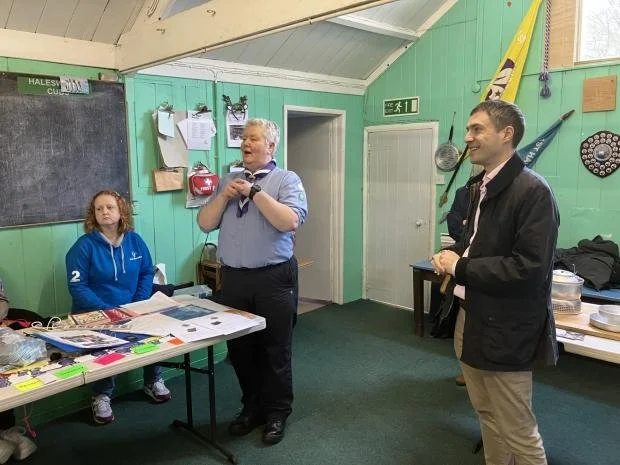
Adrian Ramsay MP, backs call for people to consider volunteering with their local Scout group.
25th of February 2025
Adrian Ramsay MP was honoured to present Oliver and Cogan from Beccles Bears Explorer Scouts with Young Leader badges on Saturday, which was Founder's Day for the Scouts., He said:
“As a former Cub Scout, I know how special Founder’s Day is for scouting. It was an honour to present Young Leader badges to Oliver and Cogan from Beccles Bears Explorer Scouts. The experiences in scouting are invaluable to young people —teaching teamwork, resilience, and skills that stay with them for life.”
Adrian was attending an event organised by Waveney Valley scouts aimed at recruiting more volunteers for local Scout groups across the area. He echoed calls for people to consider volunteering with their local Scout groups;
“If you have free time, I urge you to get involved. Volunteers' work in the scouting movement is vital for the next generation of scouts, whether as trustees, helpers, or Scout leaders. The work of volunteers is essential in keeping these groups running and ensuring young people continue to benefit from the Scouting experience.“
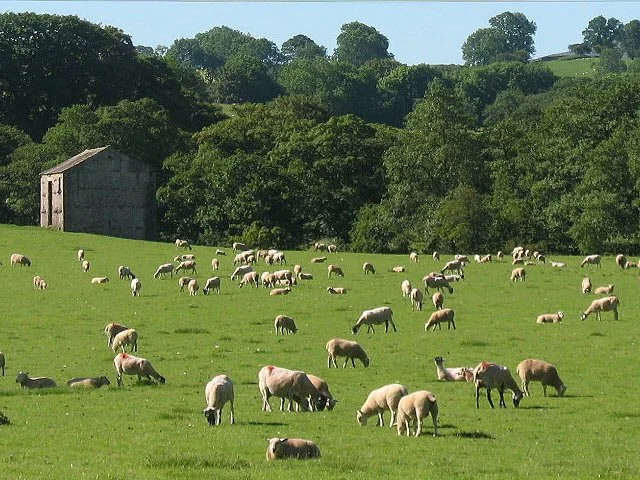
Farming & inheritance tax
If the Government was hoping that the deep concern over its plans for inheritance tax on farmland would go away in the New Year, it was reminded last week that farmers remain as incensed as ever about the changes. About 100 tractors blockaded Oxford city centre when the Environment Secretary was giving a speech at the Oxford Farming Conference.
3rd of February 2025
If the Government was hoping that the deep concern over its plans for inheritance tax on farmland would go away in the New Year, it was reminded last week that farmers remain as incensed as ever about the changes. About 100 tractors blockaded Oxford city centre when the Environment Secretary was giving a speech at the Oxford Farming Conference.
He was honest enough to admit that the changes were “very unwelcome” (that’s quite the under-statement) and not something that the Government had wanted or intended to do.
I’ve spent some of the past few weeks talking to farmers in my constituency who are very worried about the changes. But what they’ve also told me is that the current tax situation isn’t working for them either. In fact, in many ways, it’s harming ordinary working farmers.
I heard about a 350-acre farm in Suffolk which was bought recently by a merchant banker from London who didn’t even visit the property so clearly had no intention of farming it. In fact, he bought it before it even went on the market, to add to his existing property portfolio and minimise his inheritance tax liabilities.
If this was an unusual or exceptional case, that would be bad enough. But it isn’t. According to one nationwide land agency, non-farmers bought more than half of the farms and estates sold on the open market in England in 2023. The amount of land bought by ordinary farmers was the lowest on record. That is an astonishing state of affairs.
What makes it worse is that the interest of very wealthy outside investors is driving up land prices, which are now at a record high. As one farmer told me, when an ordinary working farmer hopes to expand, the last thing he or she wants is high land prices. Yet that is exactly what they’ve got.
So while farmers have genuine fears that their children will not be able to inherit the family farm and continuing producing food, what’s become clear is that they are already being squeezed out of buying more land. If they can’t expand, they can’t increase food production, affecting our food security. It also makes it harder for them to set aside land for environmental benefits.
The current tax situation is not sustainable. It’s not helping ordinary farmers and it’s depriving the Government of tax revenue which is needed to fund our crumbling public services such as schools, health care and public transport. I want to see it changed so that the very wealthy pay their fair share of taxes, while genuine farmers can carry on doing what they do best – growing and producing food for us all.
But the Government’s plans won’t achieve either of these aims. The reduced inheritance tax rate being proposed will still entice wealthy investors who want to limit their inheritance tax liabilities, while farmers will face huge tax bills when they try to pass on a family farm to the next generation. Many will end up having to sell land to meet the tax liability with an impact on our food security.
This policy has been badly drawn up and thrown together without taking into full consideration what’s been happening in the farming sector, in particular the steep rise in land prices which makes the average-sized family farm worth on paper several million pounds, even though the farmer may be earning barely more than the minimum wage.
There is a clear solution to this. Close the tax loophole to deter investors and, hopefully, bring down land prices but protect genuine farmers by raising the threshold much higher than the proposed £1 million. That’s what the farmers and local National Farmers Union reps I’ve spoken to want to see.
Farming is an absolutely critical industry – vital for our food security, the protection of wildlife and our response to climate change. But if we want to protect it, there must be a fair deal for farmers to include: ensuring the funding pots for environmental land management schemes are adequate and easy to access; tackling the power of the supermarkets and stopping them squeezing the prices that farmers receive; and addressing the existing tax loophole.
The Conservatives and others who want to keep the status quo aren’t acting in the interests of genuine farmers – they are protecting the interests of very wealthy investors. I want to see those with the broadest shoulders like these wealthy investors pay their fair share of tax. I also want to family farms to thrive.
The Chancellor should close this tax loophole while raising the inheritance tax threshold to protect ordinary farms. After a very difficult 2024, it would at least bring some relief to farmers for the year ahead.
Adrian Ramsay MP
Re: Hugh’s Law
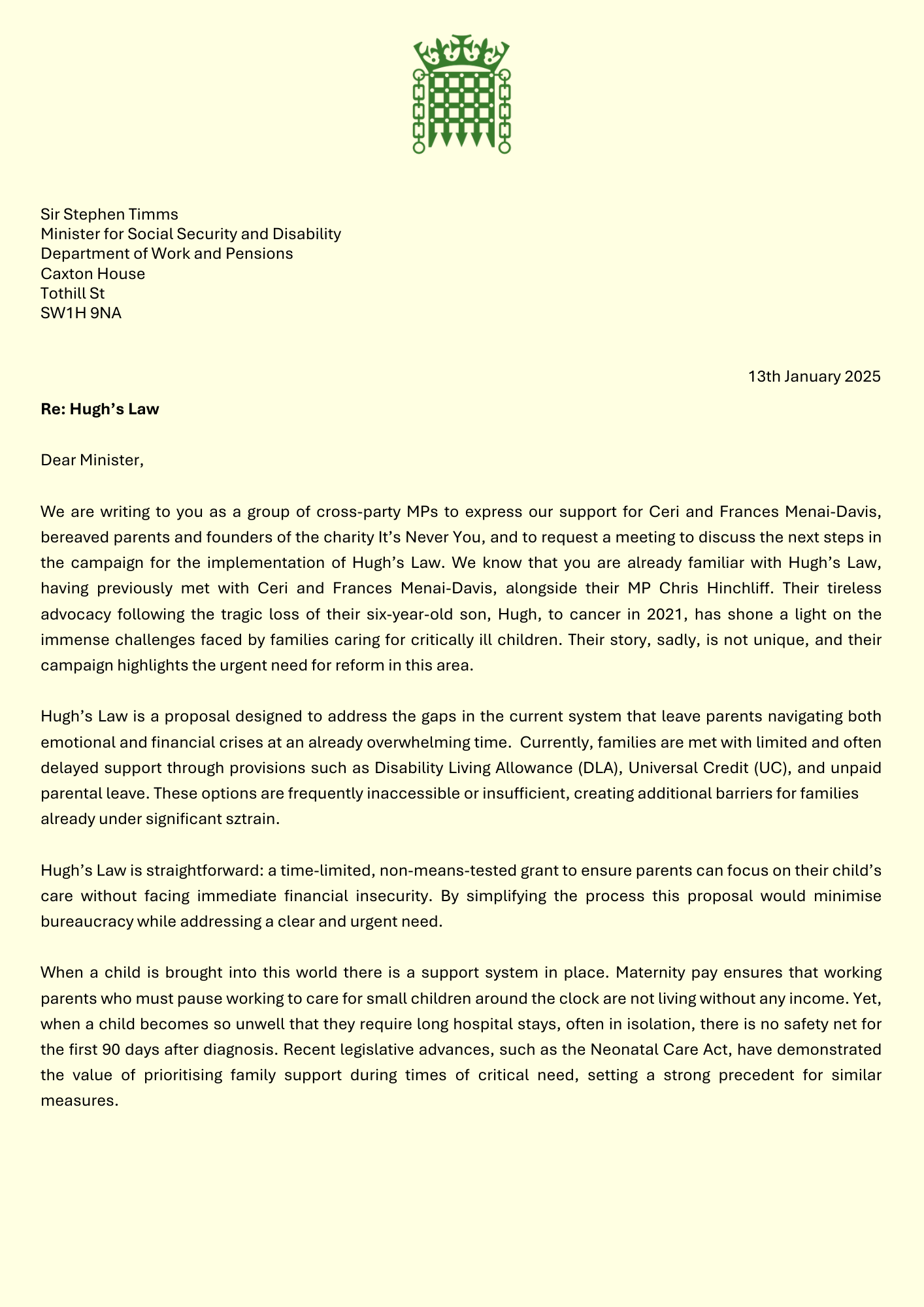
-
Adrian Ramsay MP co-signed this cross-party letter initiated by it's never you. https://itsneveryou.com
Sir Stephen Timms
Minister for Social Security and Disability
Department of Work and Pensions
Caxton House
Tothill St
SW1H 9NA
13th January 2025
Re: Hugh’s Law
Dear Minister,
We are writing to you as a group of cross-party MPs to express our support for Ceri and
Frances Menai-Davis, bereaved parents and founders of the charity It’s Never You, and to
request a meeting to discuss the next steps in the campaign for the implementation of
Hugh’s Law. We know that you are already familiar with Hugh’s Law, having previously met
with Ceri and Frances Menai-Davis, alongside their MP Chris Hinchliff. Their tireless
advocacy following the tragic loss of their six-year-old son, Hugh, to cancer in 2021, has
shone a light on the immense challenges faced by families caring for critically ill children.
Their story, sadly, is not unique, and their campaign highlights the urgent need for reform in
this area.
Hugh’s Law is a proposal designed to address the gaps in the current system that leave
parents navigating both emotional and financial crises at an already overwhelming time.
Currently, families are met with limited and often delayed support through provisions such
as Disability Living Allowance (DLA), Universal Credit (UC), and unpaid parental leave. These
options are frequently inaccessible or insufficient, creating additional barriers for families
already under significant strain.
Hugh’s Law is straightforward: a time-limited, non-means-tested grant to ensure parents
can focus on their child’s care without facing immediate financial insecurity. By simplifying
the process this proposal would minimise bureaucracy while addressing a clear and urgent
need.
When a child is brought into this world there is a support system in place. Maternity pay
ensures that working parents who must pause working to care for small children around the
clock are not living without any income. Yet, when a child becomes so unwell that they
require long hospital stays, often in isolation, there is no safety net for the first 90 days after
diagnosis. Recent legislative advances, such as the Neonatal Care Act, have demonstrated
the value of prioritising family support during times of critical need, setting a strong
precedent for similar measures.
Jan 2025
We believe Hugh’s law will address the significant gap in the current system and provide
meaningful support to families when they need it most. Hugh’s Law has the potential to
transform the lives of thousands of families across the country and demonstrates a
practical, compassionate approach to tackling a real issue.
Please meet with Ceri and Frances Menai-Davis again, to explore how Hugh’s Law can be
implemented effectively to support these families. We would welcome the opportunity to
discuss this in further detail and work collaboratively on helping parents who have
struggled, are struggling and yet to struggle.
Thank you for considering this important matter
Yours sincerely, Adrian Ramsay MP co-signed this cross-party letter initiated by it's never you. https://itsneveryou.com
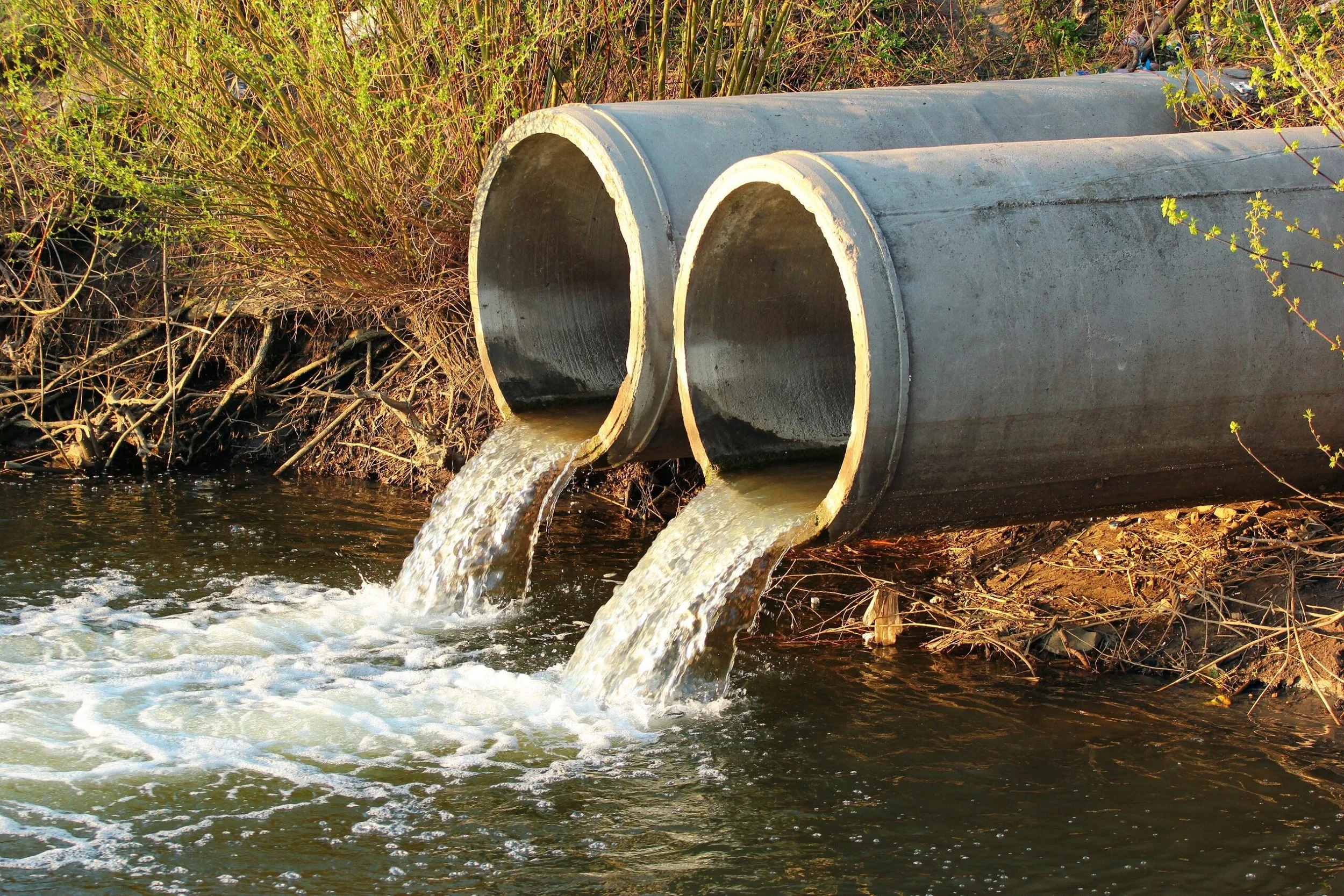
Raw sewage dumped in our rivers by the privatised water companies has rightly become a national scandal.
Shockingly, not a single river in England is in good overall health, according to the Rivers Trust, and only 15 percent are in good ecological health. That is a terrible indictment on the water companies who continue to dump raw sewage into rivers and on to beaches as an increasing rate. Sewage dumping doubled in 2023 compared to the previous year.
12th of January 2025
Raw sewage dumped in our rivers by the privatised water companies has rightly become a national scandal.
Shockingly, not a single river in England is in good overall health, according to the Rivers Trust, and only 15 percent are in good ecological health. That is a terrible indictment on the water companies who continue to dump raw sewage into rivers and on to beaches as an increasing rate. Sewage dumping doubled in 2023 compared to the previous year.
(That would be bad enough, but over the years the owners of the privatised water companies have pocketed tens of billions of pounds in dividends and water company executives continue to be paid generous bonuses, even when their company has been fined for dumping sewage.)
The way the water companies have been regulated since they were privatised 35 years ago has not worked. The regulator, Ofwat, has been far too weak in dealing with the companies’ failings and the Environment Agency hasn’t done an effective job in policing pollution spills.
You would expect that a company which pollutes a river should be made to clean it up. But even that doesn’t happen. Sometimes the reasons for this are understandable. Agricultural run-off from fertilised fields is a major cause of pollution but it’s not always obvious where that pollution is coming from.
That’s not the case with sewage which causes worse pollution than agricultural run-off with a bigger impact on plants, animals and microbes. And it’s usually obvious who or what is responsible for it so it’s easy to point the finger. But too often water companies get away with it because it’s actually legal for them to dump raw sewage into our rivers when it rains heavily, and treated sewage at other times, even if it’s harmful to the ecosystem it flows into. Sewage was dumped into the River Waveney on 389 occasions in 2021, much of it quite legally.
There isn’t even one organisation responsible for overseeing all river pollution incidents and restoration projects, partly because of the diverse causes.
All this brings us to the important question of who should be responsible for cleaning up our polluted rivers when so much of the pollution is either difficult to trace or is there “legally”.
The Environment Agency has belatedly begun to get a grip of this, spurred by understandable public anger over the state of our rivers and beaches. Anglian Water has committed to spend £50 million on tackling sewage spills. But local groups aren’t waiting around for Anglian to act – they are taking matters into their own hands to clean up their local river. And they want the fines imposed on water companies to help fund this.
There is an £11 million Water Restoration Fund, set up by the previous government to pay for the clean-up and protection of our rivers. The money for it came from the fines imposed on water companies for serious sewage spills over the course of a year. Just three water companies were fined £168 million last year for polluting our waterways, so this amounts to small change. Given the state of our rivers, not surprisingly there were masses of applications for grants from the fund.
But payouts got held up by the general election last July so all those who applied for money are still waiting to hear if they will receive any. The River Waveney Trust is one of them. It put in a bid for a £144,000 grant, alongside the Broads Trust, to help clean up the river and fund a citizen science water quality testing programme.
Its director, Martha Meek, says water company fines should be spent cleaning up the rivers and waterways they relate to, so the water company is seen to be picking up the costs of the pollution it caused. I couldn’t agree with her more.
The long wait for news on payouts from the Water Restoration Fund is increasing suspicion that the money won’t go to local organisations like the River Waveney Trust – it will disappear into general Treasury coffers instead. As one of the MPs scrutinising the Water (Special Measures) Bill, I’m pushing the Government for a commitment that this money will go where it’s intended, and for the law to be tightened up when it comes to water companies fouling our rivers.
The money in the Water Restoration Fund was ear-marked for good reason, to reinforce the principle that the polluter should pay to clean-up the pollution they caused. There are hundreds of local groups on standby waiting to hear if they will get the funding they need to start work. I hope the Chancellor listens, so the money starts to flow soon.
Farming, Nature & Flood Control
5th of January 2025
There have been so many mis-steps by this Labour government in its first few months in office that it’s hard to know where to start. But the latest came in last month’s budget over its approach to farms.
The issue that’s grabbed most of the headlines is the change in inheritance tax rules which could impact family-owned farms which want to pass on the farm to the next generation. The Government needs to find a way to differentiate family farms from large estates bought to avoid tax and reconsider the £1 million threshold. Many family farms are worth much more than that, even though the farmer’s income is often very low.
What’s had less attention is the worrying freeze in the subsidy paid to farmers to encourage biodiversity on their land, amounting to a real-terms cut. This will make it much harder to achieve the switch to nature-friendly farming which is so vital to reverse the decline in wildlife, clean up our rivers and make farming more resilient to climate change.
The Government has its own legally binding targets on improving nature, a recognition of the fact that we are one of the most nature-depleted countries in the world. Yet when it comes to the crunch, the budget for achieving that is going down in real terms.
It is not only deeply short-sighted. It shows ministers just don’t understand the severity of the climate and nature crises. Both will have, and are already having, a major impact on the food we grow and our food security.
Let’s take the nature crisis first. Anyone who’s been walking or driving through the countryside over the years will have noticed the drastic decline in insect life. Insect numbers are down almost 60 percent in the past 20 years so we’re seeing fewer moths, flies, bees and butterflies. All of these are important pollinators for crops as well as our gardens.
Then there’s the state of our rivers. Only 14 percent of rivers in England are in good ecological health, none of them are in good overall health. This is partly down to water companies dumping sewage in the rivers. But, especially in areas like Waveney Valley, it is also a result of agricultural run-off from fertilisers or animal waste.
The chemicals from fertilisers and waste from slurry create algal blooms, disrupting ecosystems in the water and leading to “dead zones” for animals and plants, effectively killing the river.
The Government is reviewing the way water companies are regulated to try to curb their pollution of waterways and this is welcome and long overdue. But the review is largely ignoring waste from farms which accounts for 40 percent of water pollution, according to Defra. All the more reason for the Government to increase the funding available for nature-friendly farming to the levels the nature charities are saying is needed.
The health of our rivers is vital both to nature and our own health and wellbeing. It needs to be made a priority.
I had the chance to visit a couple of our local rivers recently, in the company of the Little Ouse Headwaters Project and the River Waveney Trust, both brilliant charities which are working to improve the health of the rivers and see how they can be better managed for the benefit of wildlife, people and the climate.
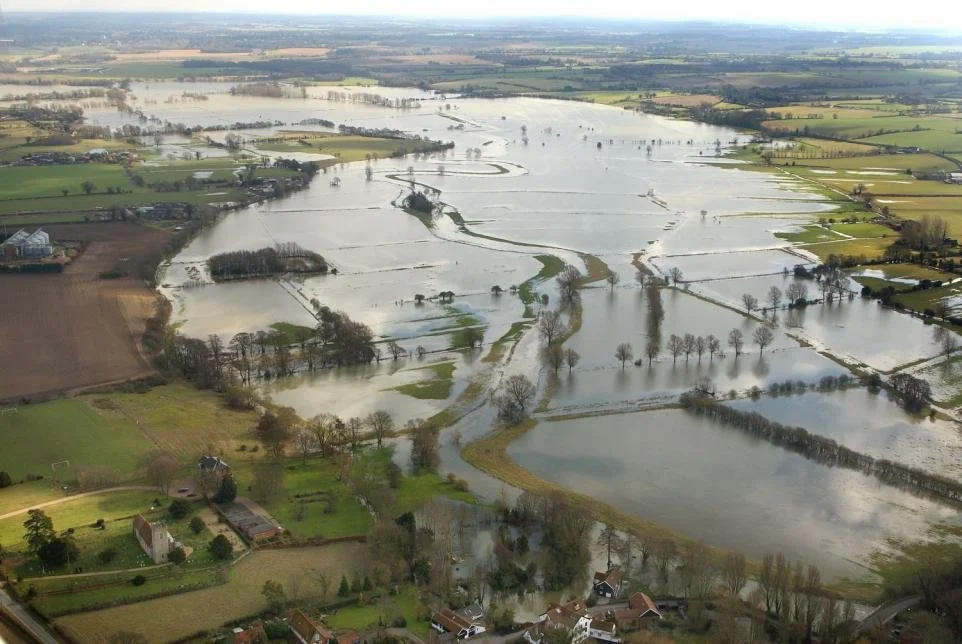
That brings us to the climate crisis. The last 18 months have been the wettest since records began in 1836 – a pattern which is likely to become the new normal with climate change. Although England has escaped the devastating floods which have hit Spain and other parts of Europe this autumn, many local communities have been affected by flooding in the last year and the frequency and severity is only likely to grow.
So flood management, especially in an area like East Anglia, has never been more important.
Gone are the days when engineers sought to channel rainfall as fast as possible into rivers. That just led to the rivers becoming overwhelmed and flooding areas further downstream.
The aim now is to hold back the water, using natural techniques like installing “leaky” dams to release water slowly, planting trees, digging ponds to store floodwater and protecting floodplains.
In Gissing, the River Waveney Trust and Norfolk Rivers Trust worked with the local community, landowners and the parish council to create a natural flood management scheme to make the land more flood resilient. They deployed low-cost solutions such as leaky dams, tree planting and using an adjacent meadow to temporarily store water so that heavy rainfall wouldn’t rush into the river and overwhelm it.
Eight named storms later, including Storm Babet in October last year, and no homes have been flooded in Gissing showing that natural flood management works.
The Little Ouse Headwaters Project is working to create a continuous corridor of wildlife habitat along the headwaters of the river, including restoring natural river features, all with flood management in mind.
Both are great projects but run on a shoestring, often with a large reliance on volunteers. Funding is always a challenge, making it difficult to scale up the work they’re doing which is vital if we’re to successfully manage flood risk and let nature recover.
I will continue to press the Government to invest properly in the nature-based solutions that are needed to support farming, restore biodiversity, capture carbon and manage floods.